
Đá mài kính cho mài cạnh, mài vát và mài tinh
So sánh đá kim cương, đá nhựa và đá đánh bóng cho máy gia công kính. Gửi ảnh đá hiện tại để ZHUIFENG kiểm tra thông số trước khi báo giá.
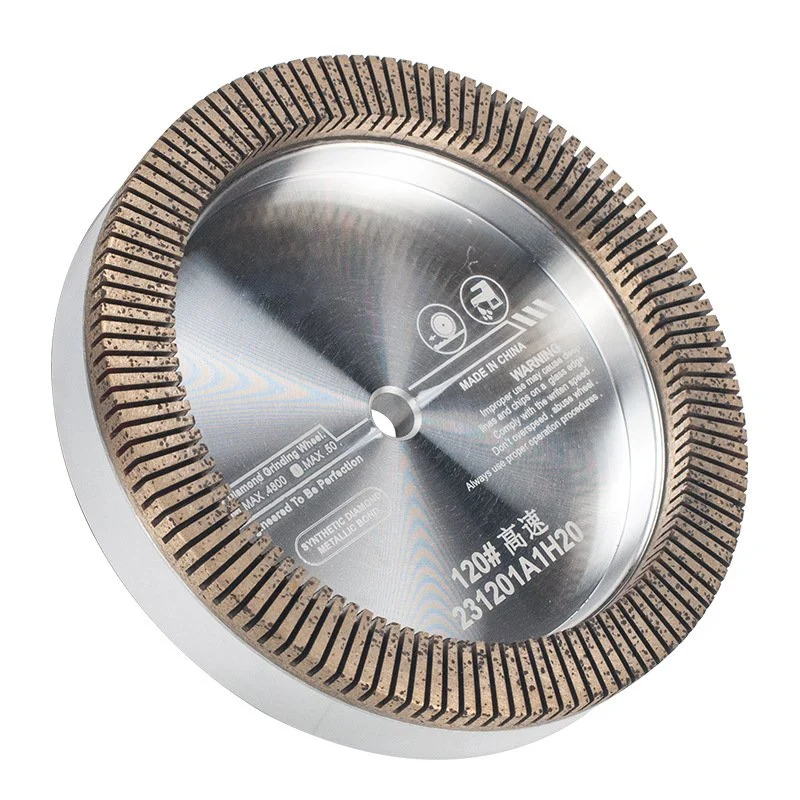
Đá mài kim cương răng mịn tốc độ cao A1-1
A1-1 · Xem chi tiết →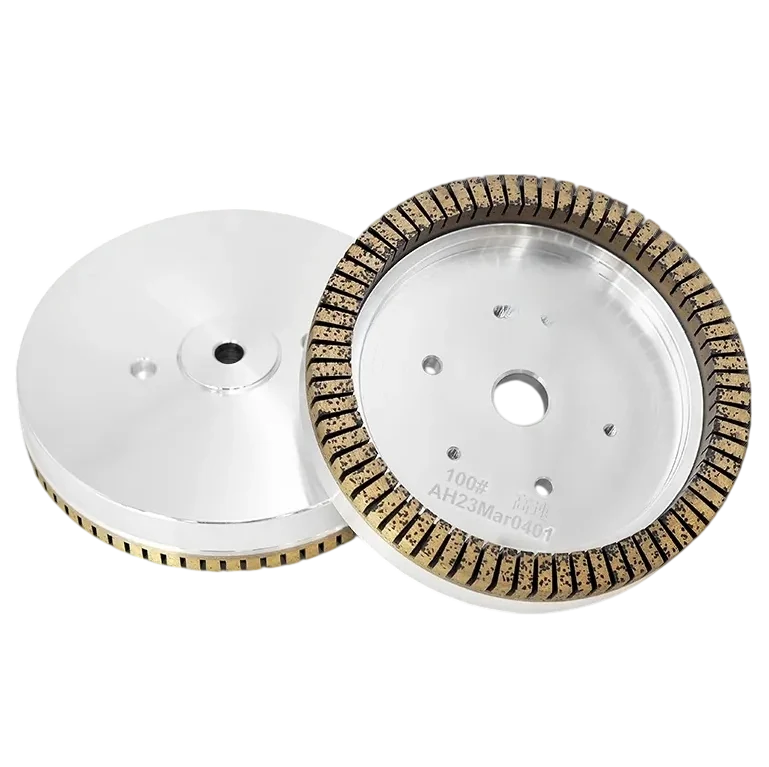
Đá mài kim cương răng dày Q6 A1-2
A1-2 · Xem chi tiết →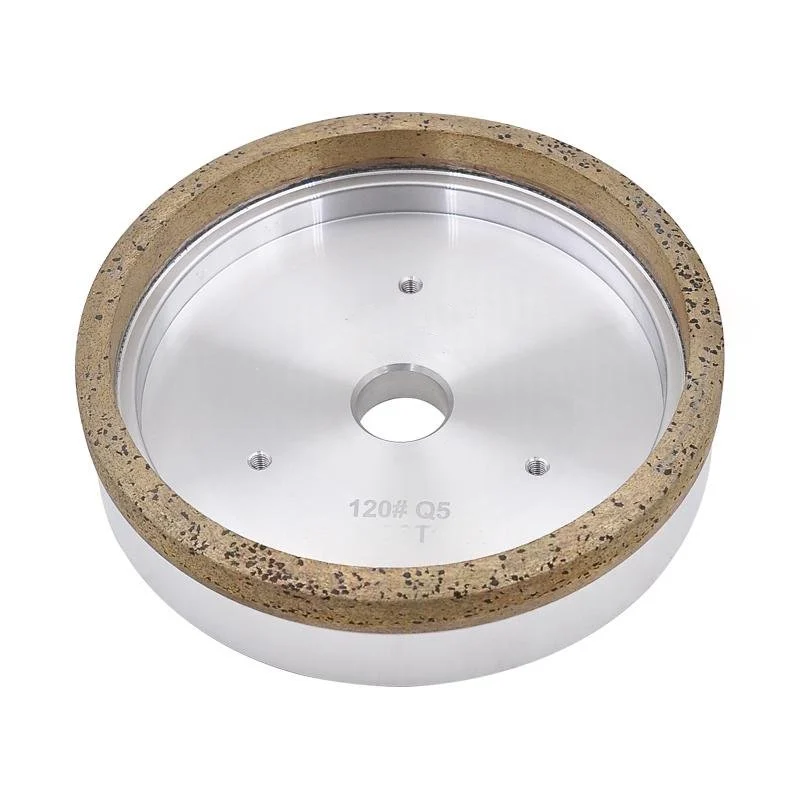
Đá mài chén kim cương Q5 cho máy mài kính
Q5 · Xem chi tiết →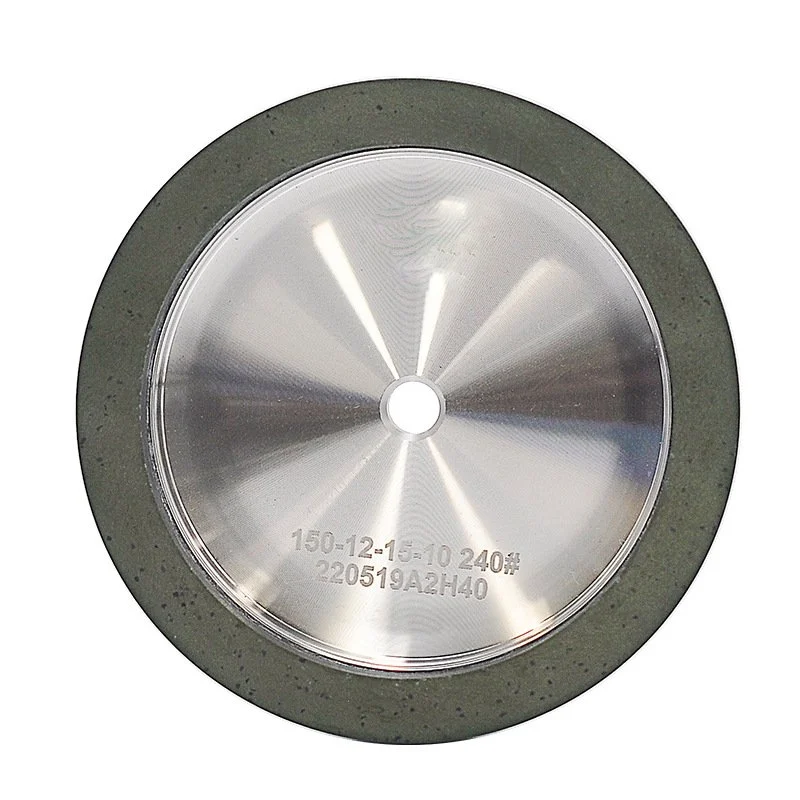
Đá mài nhựa xanh S600014 cho kính
S600014 · Xem chi tiết →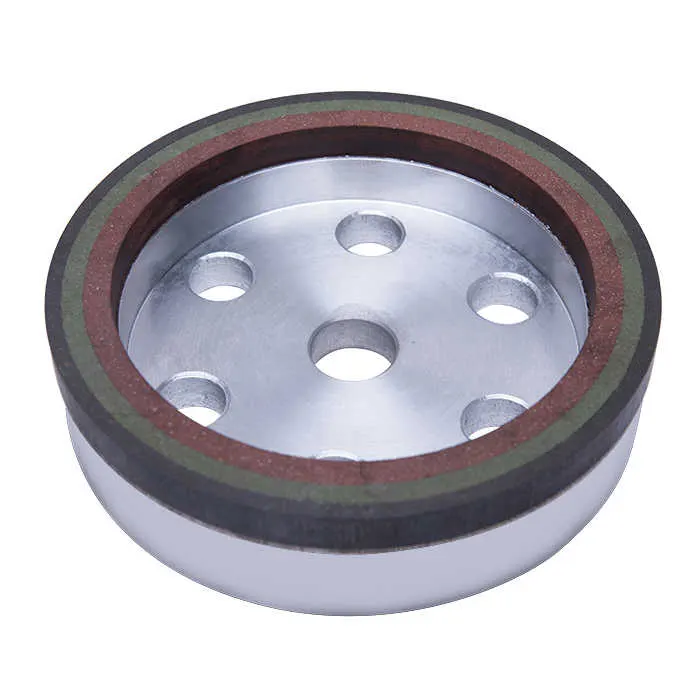
Đá mài nhựa ba dải B3-1
B3-1 · Xem chi tiết →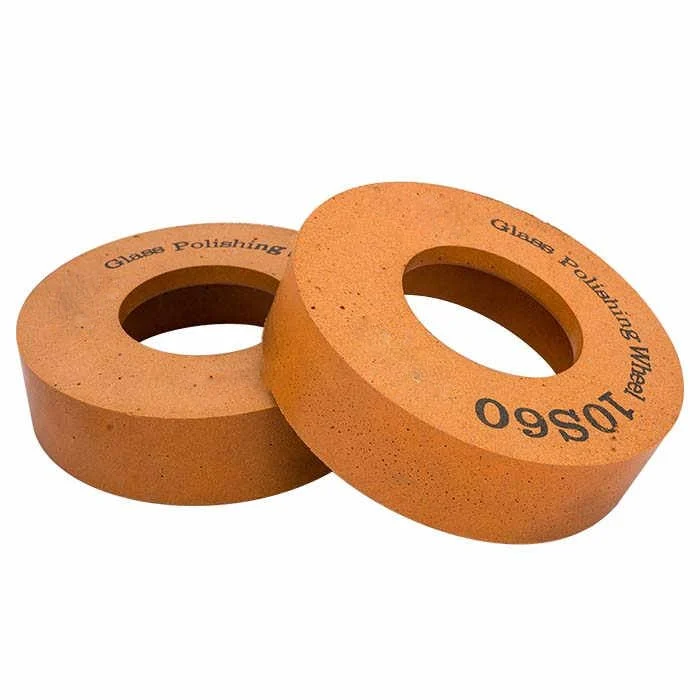
Đá đánh bóng kính 10S P110006
P110006 · Xem chi tiết →The glass grinding process chain
A glass edge normally moves through multiple wheel positions. Diamond wheels handle rough grinding and shaping, resin wheels refine the edge, and polishing wheels finish the visible surface.
- Diamond grinding wheels remove material and establish the edge shape.
- Resin wheels reduce rough grinding marks before polishing.
- 10S polishing wheels are reviewed for the finishing stage after diamond and resin wheels.
- Wheel choice should be checked as a process chain, not as one isolated consumable.
Machine applications
Glass grinding wheels are selected by machine type and position. The same keyword can lead to different products depending on whether the buyer uses a straight edger, double edger, beveling machine or shape-beveling machine.
- Straight-line edging machines
- High-speed and regular double edging machines
- Glass beveling machines
- Shape edging and shape-beveling machines
Common selection checks
Before quoting, the safest path is to identify the current wheel and the exact processing problem.
- Check OD, bore, thickness or working layer, grit and wheel shape.
- Confirm glass thickness, edge type, removal amount and coolant condition.
- Review current chips, grinding marks or polishing pressure together.
- Ask whether the wheel is before or after a diamond, resin or polishing position.
Câu hỏi thường gặp
What is the difference between a diamond wheel and a resin wheel for glass grinding?
Diamond wheels are generally used for rough grinding, material removal and shaping. Resin wheels are used later for fine grinding before polishing. The actual sequence depends on the machine layout.
Can one glass grinding wheel solve chipping or edge marks?
Not always. Chips and marks can come from wheel grit, spindle condition, cooling, feed speed, removal amount, glass quality and the matching of adjacent wheels.
Which wheel should be replaced first?
Start by identifying the problem position and current wheel. Send photos of the machine position, current wheel and finished edge so the process chain can be reviewed.
Do you provide a fixed RPM or feed speed?
No universal RPM or feed speed is published because values depend on machine design, spindle setup, wheel diameter, glass thickness, removal target and cooling condition.