
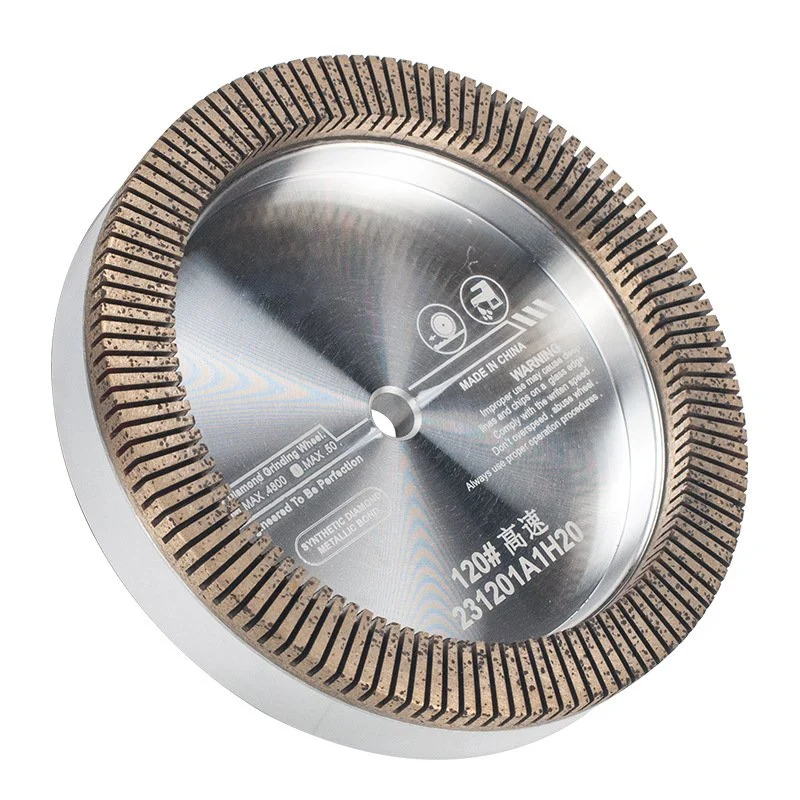
A1-1 · Diamond Wheels
High-Speed Fine-Tooth Segmented Diamond Grinding Wheel
High-speed fine-tooth diamond grinding wheel for double-edging machines, designed for stable glass edge grinding before polishing.
View specifications →ZHUIFENG supplies glass grinding wheels for rough grinding, fine grinding and preparation before polishing. The page connects diamond wheels, resin wheels and polishing wheels into a practical glass edge processing chain.
Match the wheel family to the machine, wheel position, glass thickness and required edge result before requesting a quote.
High-speed fine-tooth diamond grinding wheel for double-edging machines, designed for stable glass edge grinding before polishing.
View specifications →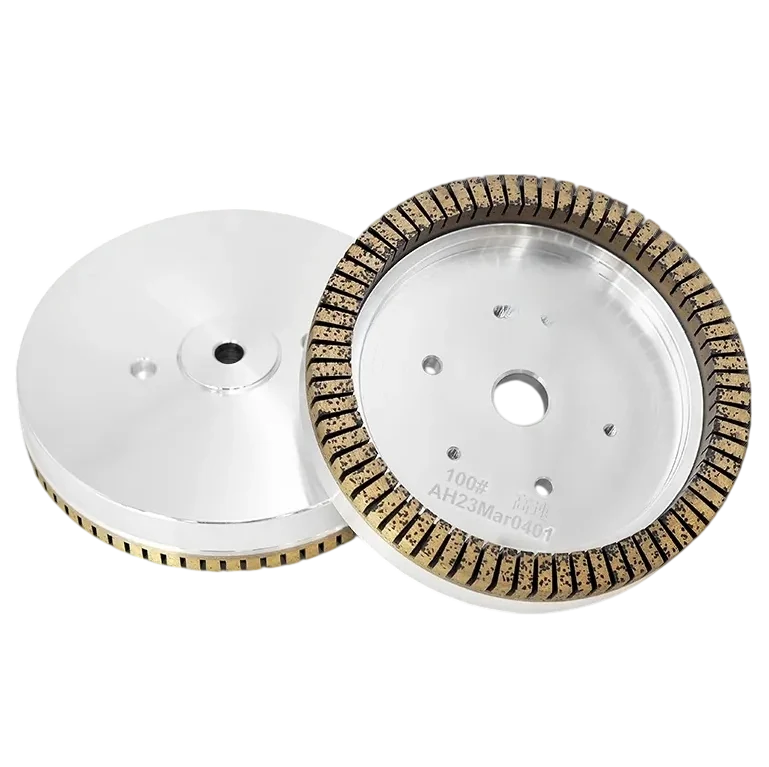
Dense-tooth diamond grinding wheel for high-speed or regular double edgers, positioned for thicker glass, larger stock removal and first-position grinding reviews.
View specifications →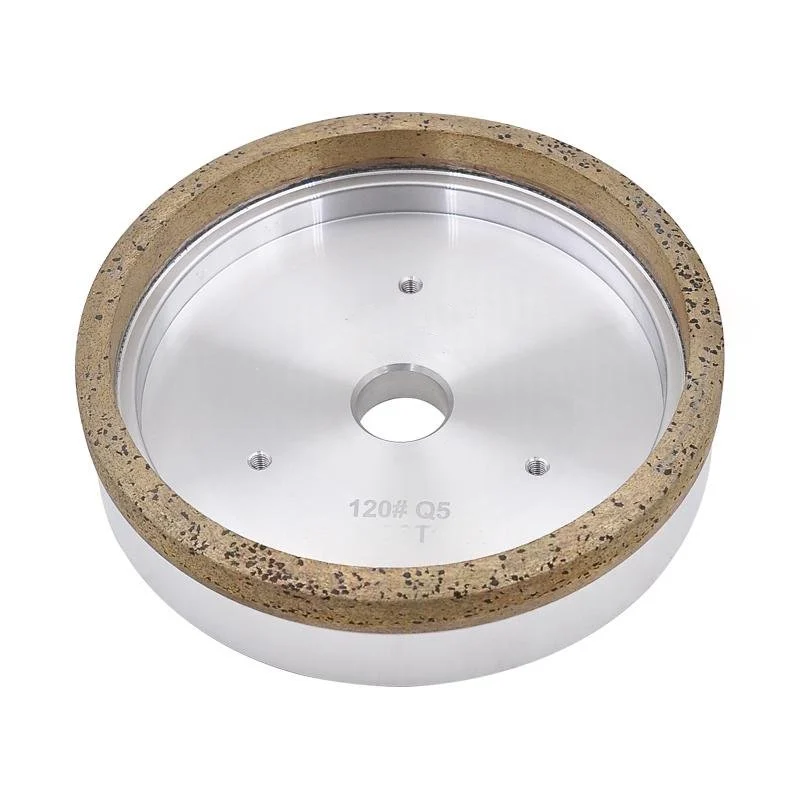
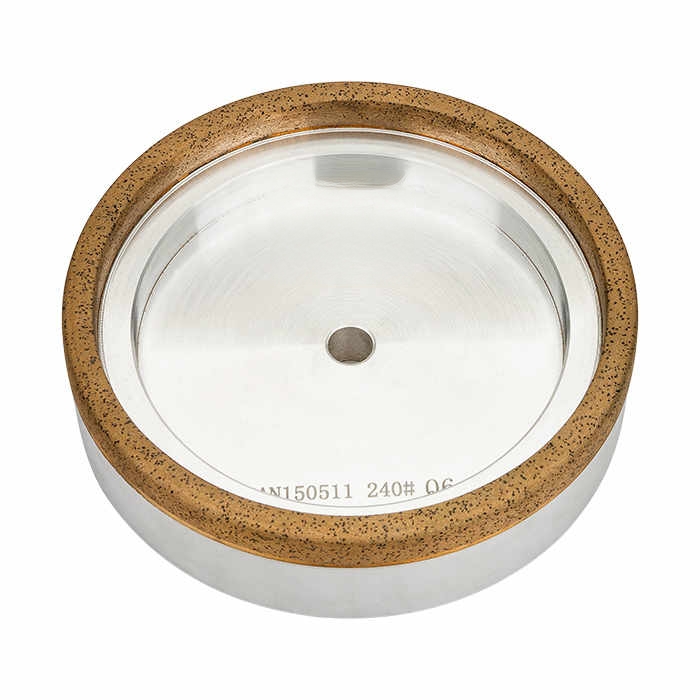
Q5 diamond cup wheel for straight-line and double-edging machines, used for straight glass edges and chamfered glass edges with sharp, stable grinding performance.
View specifications →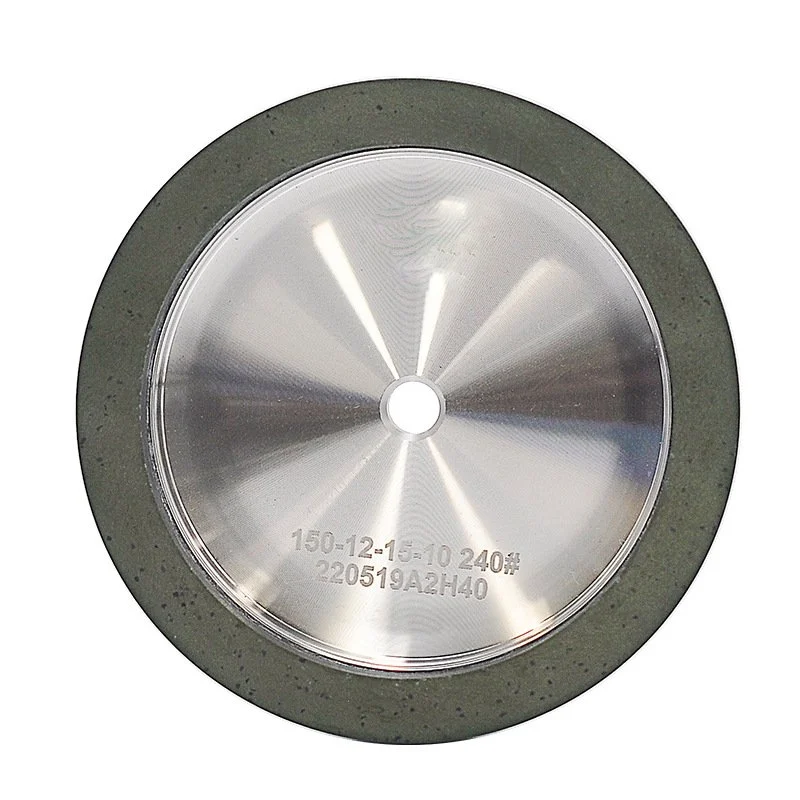
Green resin wheel for fine glass-edge grinding after diamond wheels and before polishing wheels on straight-line and double-edging machines.
View specifications →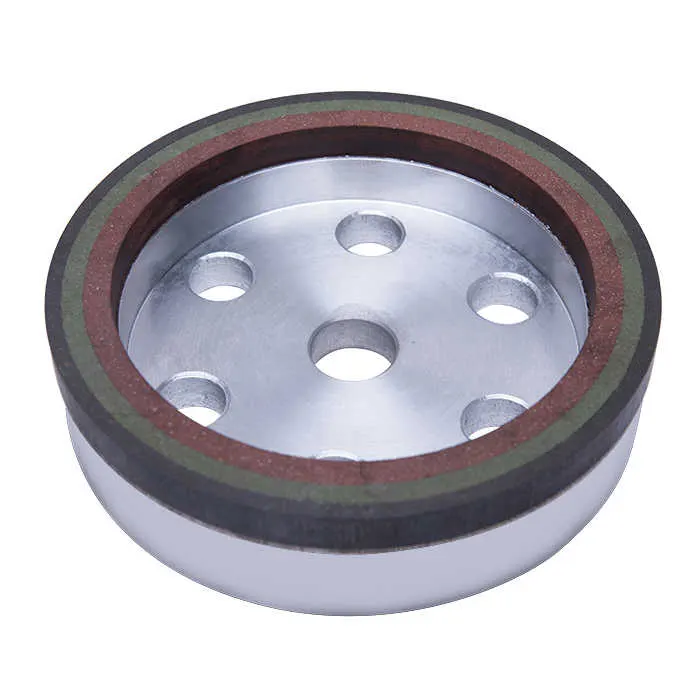
Three-band resin wheel integrating coarse, medium and fine grinding for shape-beveling machines.
View specifications →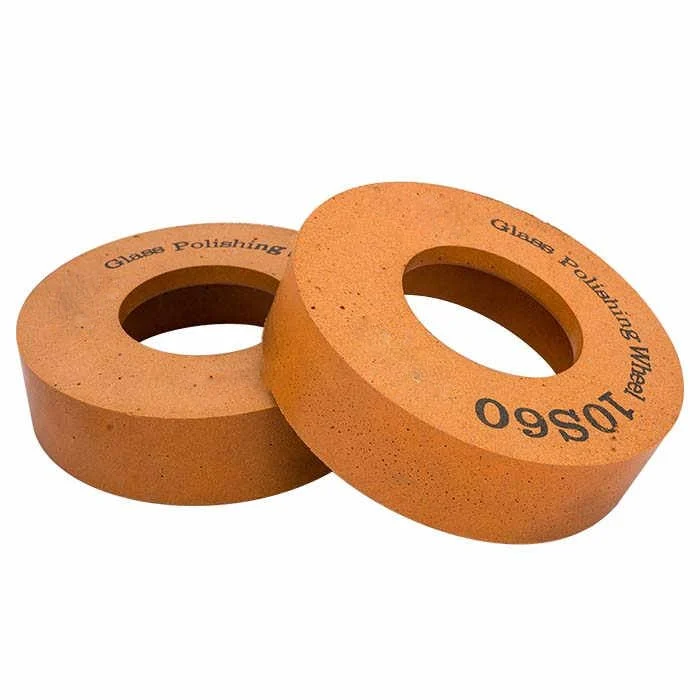
10S glass polishing wheel for final polishing on straight-line edging and double-edging machines, available for chamfer and bottom-edge polishing positions.
View specifications →A glass edge normally moves through multiple wheel positions. Diamond wheels handle rough grinding and shaping, resin wheels refine the edge, and polishing wheels finish the visible surface.
Glass grinding wheels are selected by machine type and position. The same keyword can lead to different products depending on whether the buyer uses a straight edger, double edger, beveling machine or shape-beveling machine.
Before quoting, the safest path is to identify the current wheel and the exact processing problem.
The table is a starting point for technical review. Confirm the installed wheel, drawing and machine setup before replacement.
| Process stage | Recommended product | Machine fit | Selection note | Main page |
|---|---|---|---|---|
| Rough grinding | A1-1 Fine-Tooth Diamond Wheel | High-speed double edging machines | Use for suitable double-edger positions after checking grit and bore. | View product → |
| Rough grinding / high removal | A1-2 Dense-Tooth Diamond Wheel Q6 | High-speed or regular double edging machines | Review when glass is thicker or removal demand is higher. | View product → |
| Cup wheel grinding | A1-4 Diamond Cup Wheel | Straight-line edging and double edging machines | Confirm OD, bore, 8 x 10 mm working layer and grit. | View product → |
| Fine grinding | B1-4 Standard Green Resin Cup Wheel | Straight-line edging and double edging machines | Use after diamond positions when resin fine grinding is required. | View product → |
| Shape-beveling fine grinding | B3-1 Three-Band Resin Wheel | Shape-beveling machines | Confirm machine acceptance, band layout and edge profile. | View product → |
| Polishing after grinding | 10S40 Glass Polishing Wheel | Glass edge polishing positions | Review current polishing wheel size and desired finish. | View product → |
Complete specifications help prevent a wrong bore, wheel profile or machine-position quotation.
Diamond wheels are generally used for rough grinding, material removal and shaping. Resin wheels are used later for fine grinding before polishing. The actual sequence depends on the machine layout.
Not always. Chips and marks can come from wheel grit, spindle condition, cooling, feed speed, removal amount, glass quality and the matching of adjacent wheels.
Start by identifying the problem position and current wheel. Send photos of the machine position, current wheel and finished edge so the process chain can be reviewed.
No universal RPM or feed speed is published because values depend on machine design, spindle setup, wheel diameter, glass thickness, removal target and cooling condition.
ZHUIFENG will review the product family and basic specification before sample or repeat-order quotation.