Types of Abrasive Wheels: Glass Grinding Wheel Types and Selection
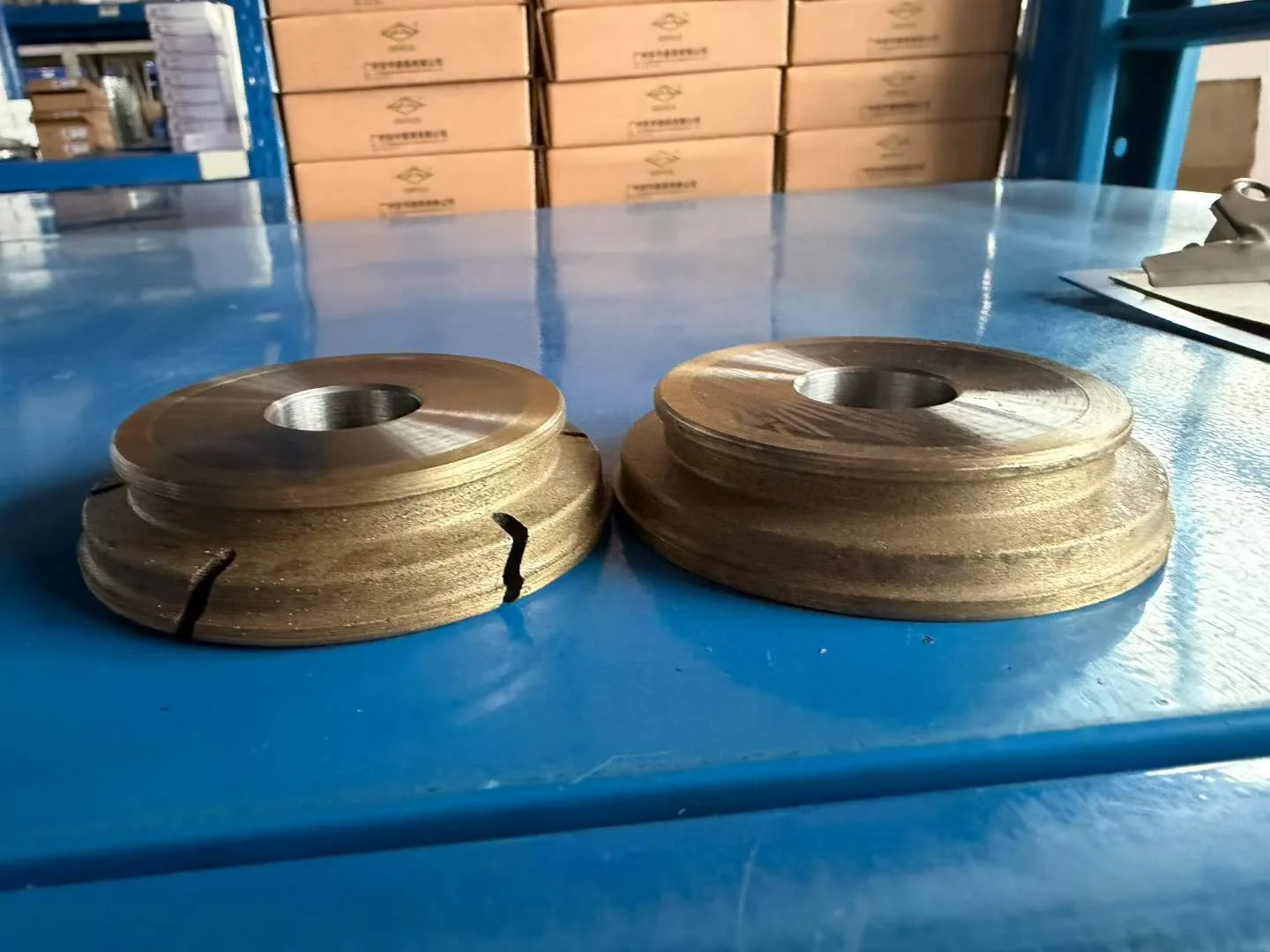
For glass processing, use diamond wheels for rough grinding, resin wheels for fine grinding, polishing wheels for final brightness and profile wheels for shaped work.
Read the guidePractical notes for glass factories, service teams and distributors choosing diamond, resin and polishing wheels.
Read the technical guide, then move to a focused product page or send the current wheel specification for review.
9 technical articles for wheel selection and process planning.

For glass processing, use diamond wheels for rough grinding, resin wheels for fine grinding, polishing wheels for final brightness and profile wheels for shaped work.
Read the guide
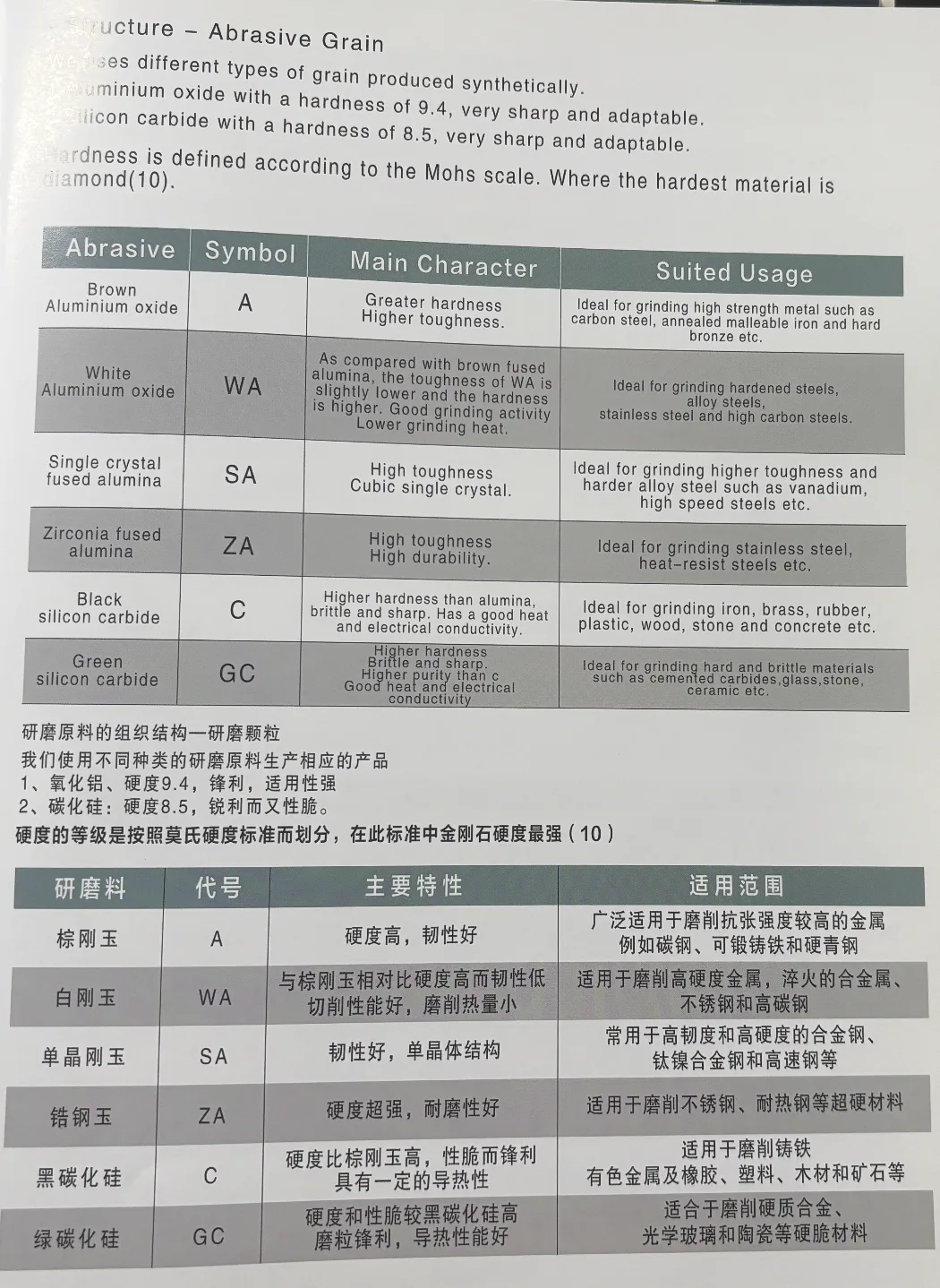
Choose the right grinding-wheel abrasive by workpiece, cutting behavior and edge result. Compare A, WA, SA, ZA, C and GC grains before specifying a wheel.
Read the guide
Learn how vitrified and resin-bonded grinding wheels are marked, how A, WA, PA, ZA, SA, MA, GC and C identify abrasive grains, and how to select F grit.
Read the guide
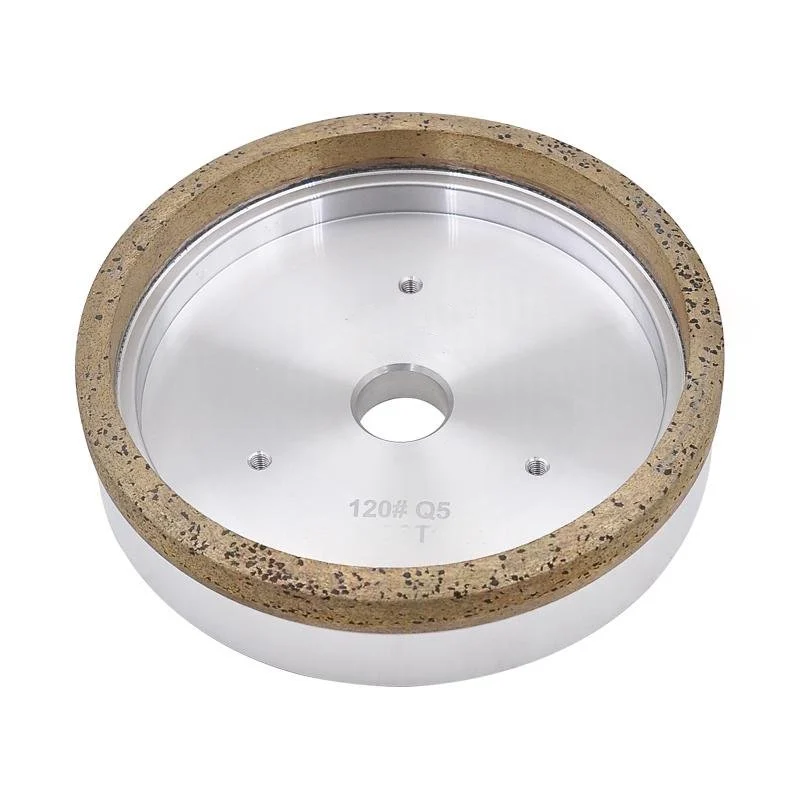
Glass and concrete need different diamond cup wheel specifications. Compare abrasive behavior, bond, grit, machine fit and cooling before ordering.
Read the guide
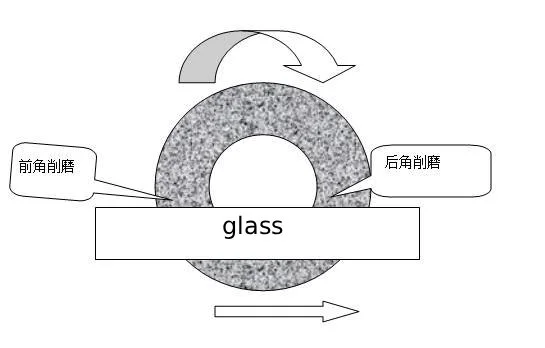
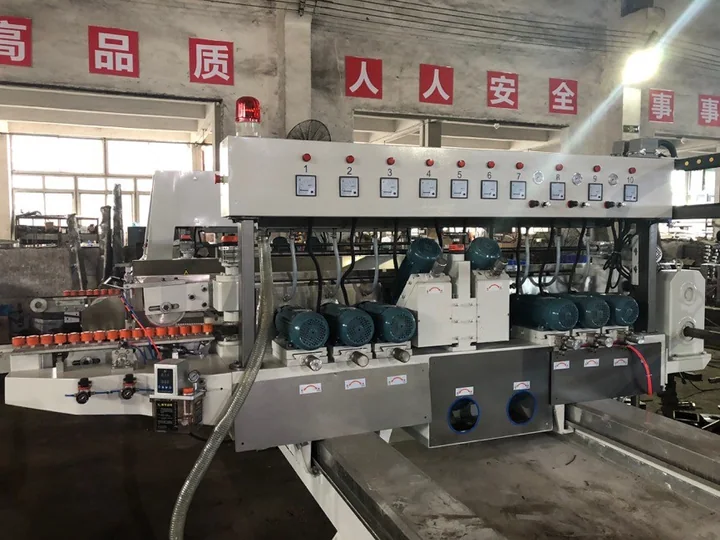
A practical guide to common glass double-edging wheel specifications, diamond-to-resin grinding ratios, machine-head sequencing and front-angle or rear-angle adjustment.
Read the guide
A practical checklist for glass edge chipping after grinding, covering wheel selection, spindle runout, pressure, coolant, grit and process sequence.
Read the guide
Learn how flat, convex and trapezoidal grinding segments support surface grinding, and how to select segment shape, code, dimensions, abrasive and grit for stable results.

Read the guide
Select a Low-E coating removal wheel by coating position, glass thickness, machine fit, removal width, coolant and edge quality.
Read the guide
Match the diamond wheel to the machine position, glass thickness, OD, bore, grit and edge result—not only to the wheel diameter.
Read the guide