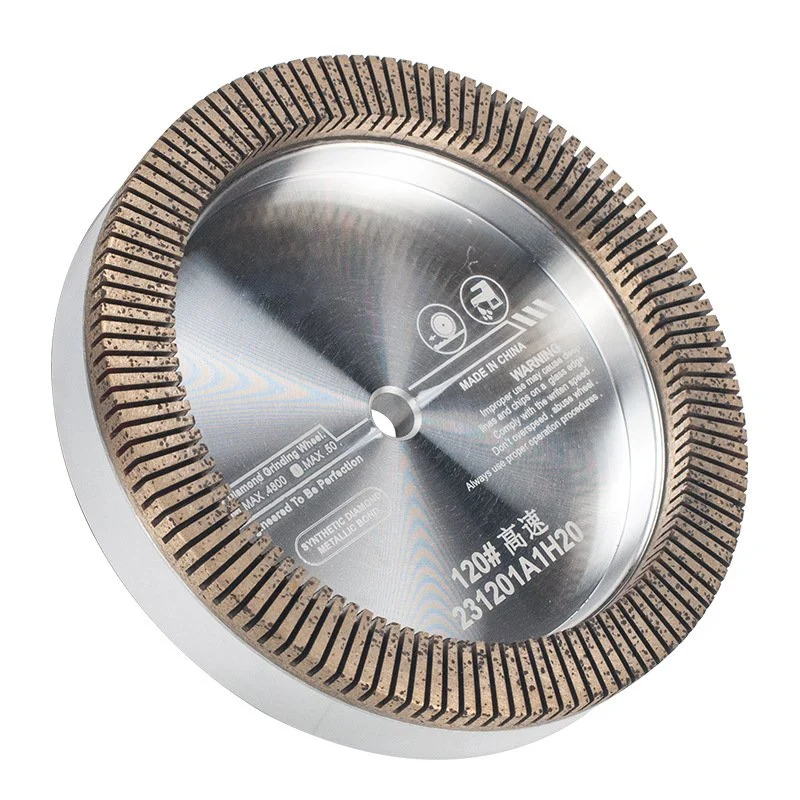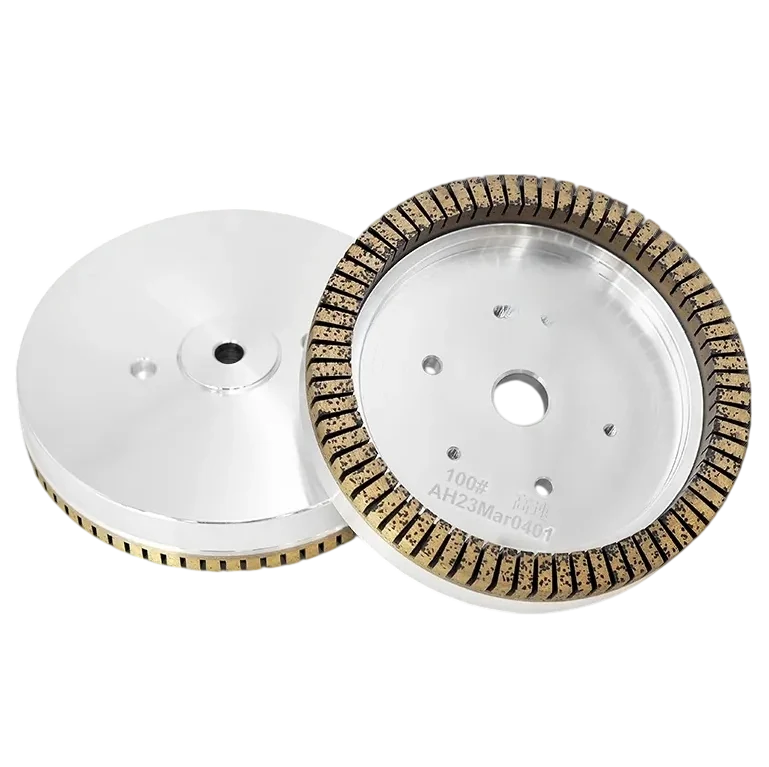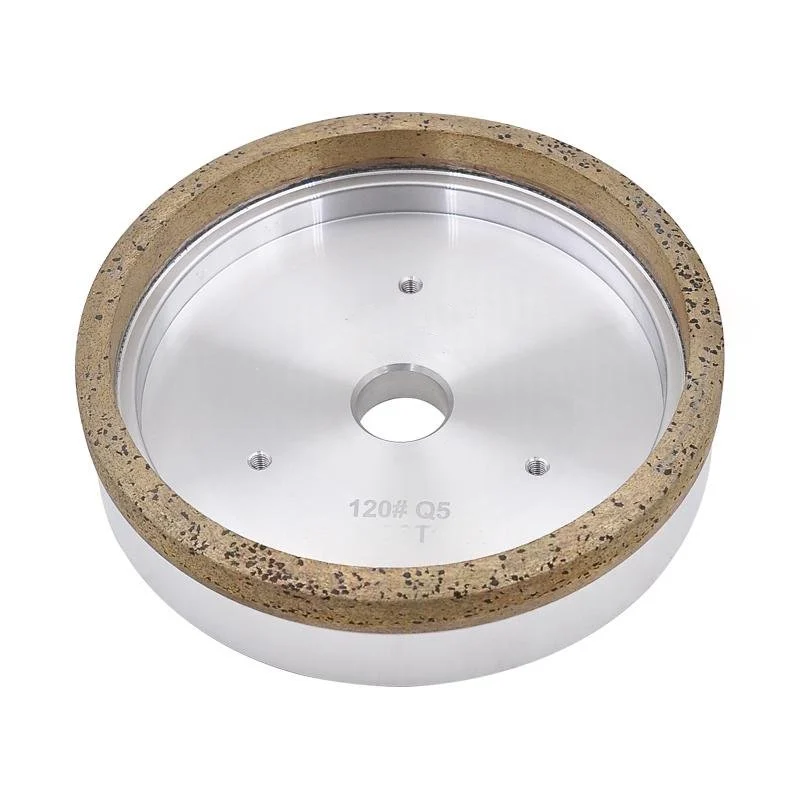
diamond wheel for glass · glass edging machine · wheel selection
How to Choose a Diamond Wheel for Glass Edging Machines
Match the diamond wheel to the machine position, glass thickness, OD, bore, grit and edge result—not only to the wheel diameter.
Match the diamond wheel to the machine position, glass thickness, OD, bore, grit and edge result—not only to the wheel diameter. Start by confirming the machine, wheel position and application before comparing a replacement wheel or requesting a quote.
Quick answer
Choose a diamond wheel for glass by confirming its machine position first, then the outside diameter (OD), bore, grit, profile, working layer and glass thickness. The correct wheel is the one that fits the processing stage and produces the required edge result under your actual coolant, feed and spindle conditions.
A wheel label or photo alone is useful, but it is not enough to confirm a replacement. Two wheels can look similar while using different grits, bonds, working layers or profiles for different positions on the same edging line.
Start with the machine position
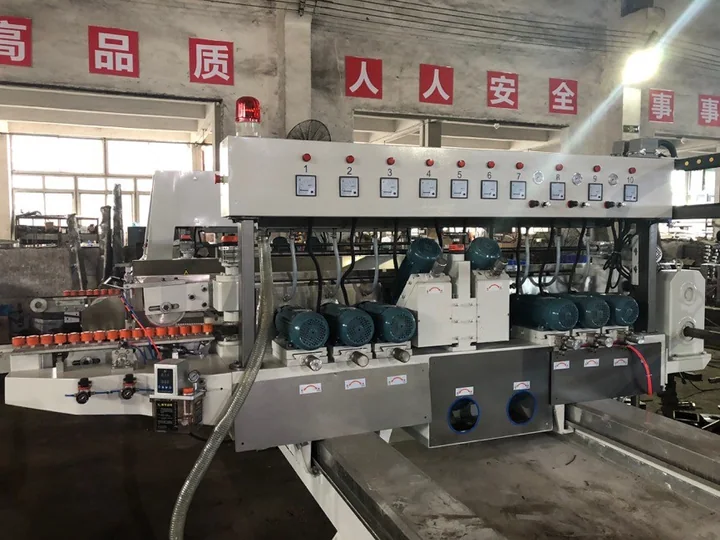
On a straight-line edger, double edger or beveling machine, each spindle has a job. Early positions usually remove material more aggressively; later positions refine the edge and prepare it for resin or polishing wheels. Selecting a wheel only by diameter can cause slower processing, unnecessary chipping or an inconsistent finish.
When sending an inquiry, include the machine brand and model, the spindle or wheel position number, and a photo showing the wheel installed if possible. This gives the supplier context for the entire wheel sequence rather than treating one wheel in isolation.

Confirm the dimensions before comparing grit
The key dimensions are OD, bore and working layer. They must match the machine and the wheel position. A correct bore supports stable mounting; a suitable working layer helps maintain the intended contact area and service life.
Record the information directly from the existing wheel or drawing:
- Outside diameter (OD)
- Bore diameter and mounting method
- Wheel width and working-layer size
- Profile or edge shape
- Rotation direction where marked
If any value is unclear, provide clear front, side and label photos together with a ruler or caliper reference. This is more reliable than estimating a size from a single image.
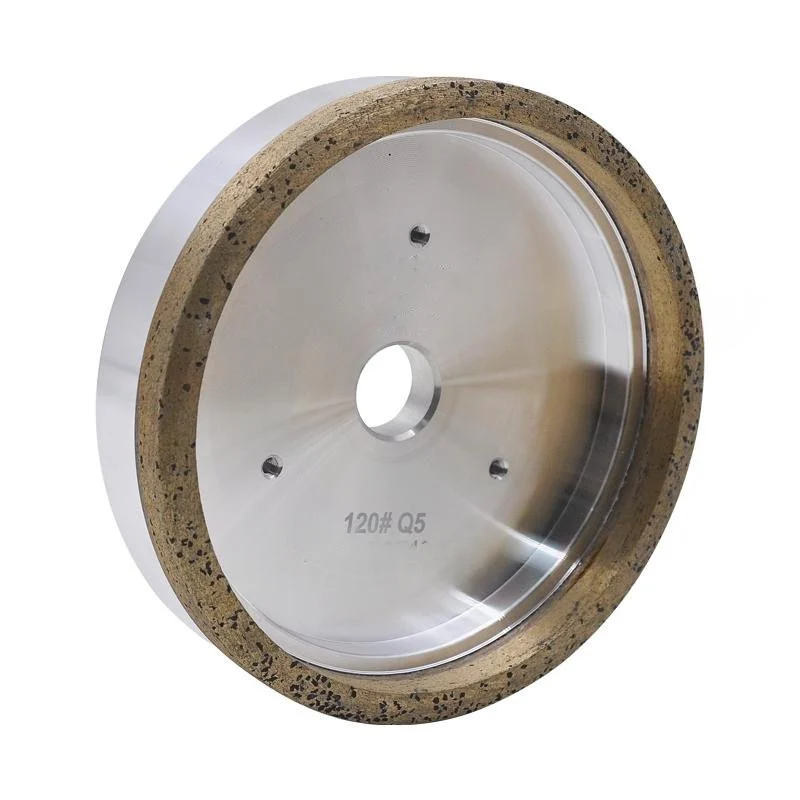
Match grit and bond to the glass-processing stage
Grit affects cutting behavior and surface preparation. A coarser wheel may remove material faster, while a finer wheel is often used as the process moves toward a smoother edge. The practical choice depends on the machine position, glass type, thickness, removal amount, coolant condition and the quality expected at the next stage.
Diamond wheels generally handle the primary grinding stage. Resin wheels and polishing wheels may follow to refine the surface, depending on the line configuration. A good specification therefore describes the desired result as well as the wheel itself—for example, stable arris quality, reduced chipping or preparation for polishing.
Use the glass and process conditions as a final check
Glass thickness, edge type, feed speed, coolant flow, spindle condition and current defects all affect wheel selection. If chipping begins after a wheel replacement, do not assume that the wheel is the only cause. Check the complete processing condition, including wheel sequence, pressure, alignment, coolant and removal amount.
For a new or replacement order, send the target glass thickness range and describe the edge result you need. This allows the recommendation to be reviewed against your application instead of relying on a generic catalogue match.
The takeaway
The most useful diamond-wheel inquiry is specific: machine model, wheel position, current wheel photos, OD, bore, grit, profile, working layer, glass thickness and target edge result. With those facts, ZHUIFENG can help compare the suitable diamond, resin or polishing wheel stage before quotation.
Frequently asked questions
Which parameters are essential for a replacement diamond wheel?
Confirm the machine model, wheel position, outside diameter, bore, grit, profile, working layer and glass thickness. A photo of the existing wheel and machine label makes the review faster.
Is a larger diamond wheel always better for glass edging?
No. The correct diameter is determined by the machine spindle, wheel position and intended contact geometry. Using the wrong size can affect clearance, edge shape and process stability.
Can ZHUIFENG make OEM wheel labels and sizes?
Yes. After reviewing the drawing, sample or confirmed dimensions, we can discuss OEM labels, packaging and common size adjustments.