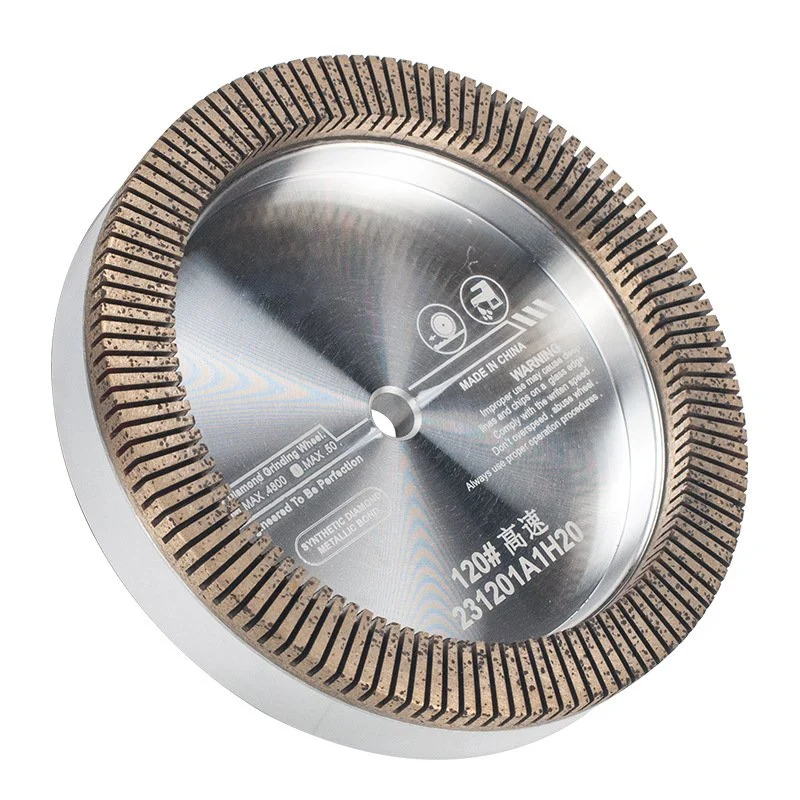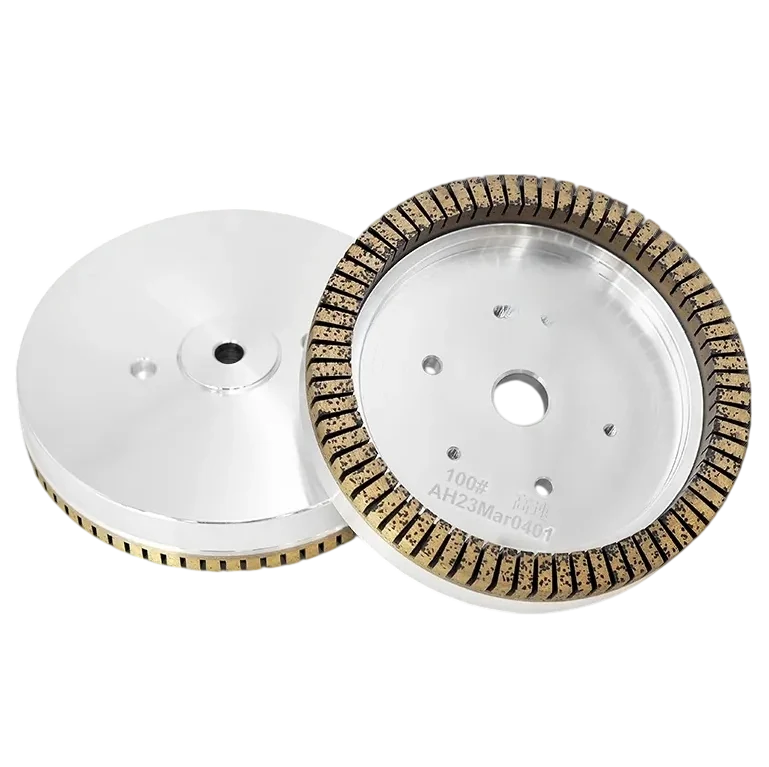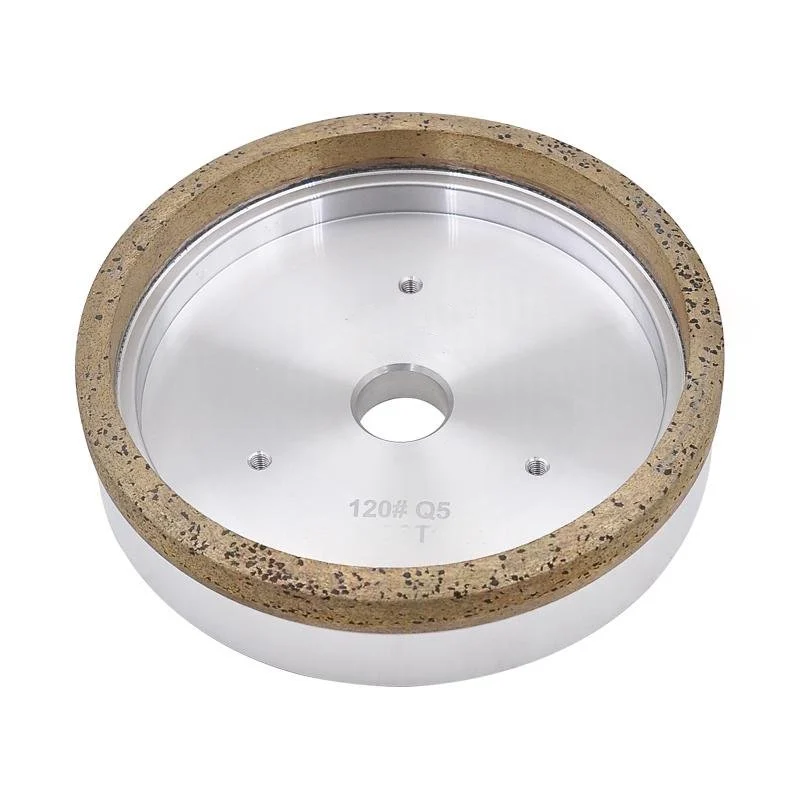
low-e edge deletion wheel · low-e coating removal wheel · glass edging wheel · glass processing
How to Select a Low-E Edge Deletion Wheel
Select a Low-E coating removal wheel by coating position, glass thickness, machine fit, removal width, coolant and edge quality.
Select a Low-E coating removal wheel by coating position, glass thickness, machine fit, removal width, coolant and edge quality. Start by confirming the machine, wheel position and application before comparing a replacement wheel or requesting a quote.
Quick answer
Select a Low-E edge deletion wheel by matching the coating-removal width and edge position to the machine, glass thickness, coating type, wheel dimensions, coolant and required edge result. A wheel that removes coating too narrowly, too widely or too aggressively can create downstream sealing and processing problems.
Confirm the coating-removal target
Start with the required deletion width, the location of the coating and the next operation. Insulating-glass production may need a clean, repeatable edge area for sealing, while another process may specify a different width or finish. Record the target from the drawing or production standard before comparing wheels.
Match the wheel to the machine
Confirm machine brand, model, spindle position, OD, bore, width, working layer and maximum speed. The Low-E coating removal wheel solution explains the application and links to compatible product details. Machine position matters because the wheel must maintain the required removal geometry throughout the pass.
Review glass and process conditions
Glass thickness, feed speed, spindle speed, coolant flow, wheel pressure and coating condition all affect removal stability. If coating remains at the edge, first check alignment, nozzle flow and removal width before assuming that a higher-abrasive wheel is the answer.
Plan the following edge process
Low-E edge deletion is often part of a larger glass processing sequence. The removed area may be followed by glass edging, washing, sealing or another finishing step. Use a compatible glass grinding wheel when the same line also needs controlled edge grinding, and review the full sequence with the supplier.
What to include in an inquiry
- Machine brand, model and wheel position
- Coating type and target deletion width
- Glass thickness and size range
- Wheel OD, bore, width and current working layer
- Spindle speed, feed, coolant and recurring defect
Send these details through the ZHUIFENG contact page for a specification and quotation review.
Frequently asked questions
What is a Low-E edge deletion wheel used for?
It removes the Low-E coating from the glass edge area so the edge can be processed, sealed or bonded as required by the insulating-glass or architectural-glass process.
Which dimensions are needed to quote a Low-E coating removal wheel?
Provide the machine model, wheel position, OD, bore, width, working-layer dimensions, removal width, glass thickness, coating type and coolant conditions.