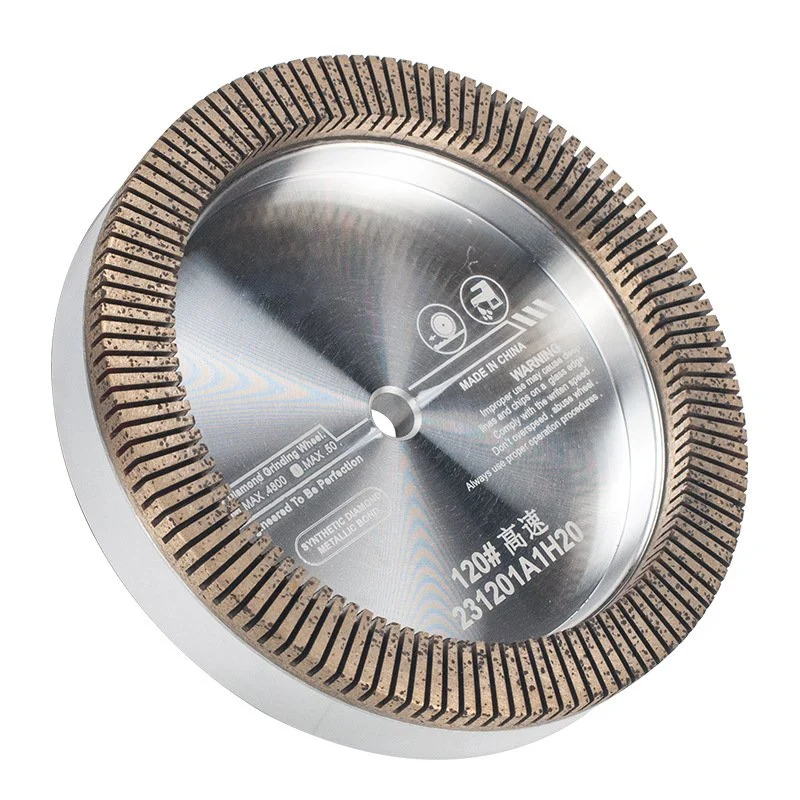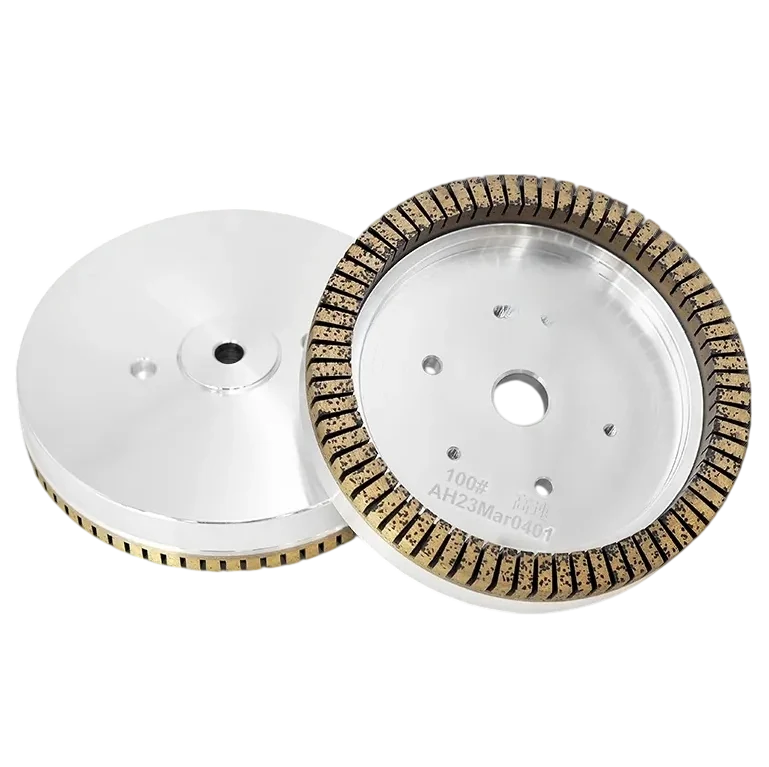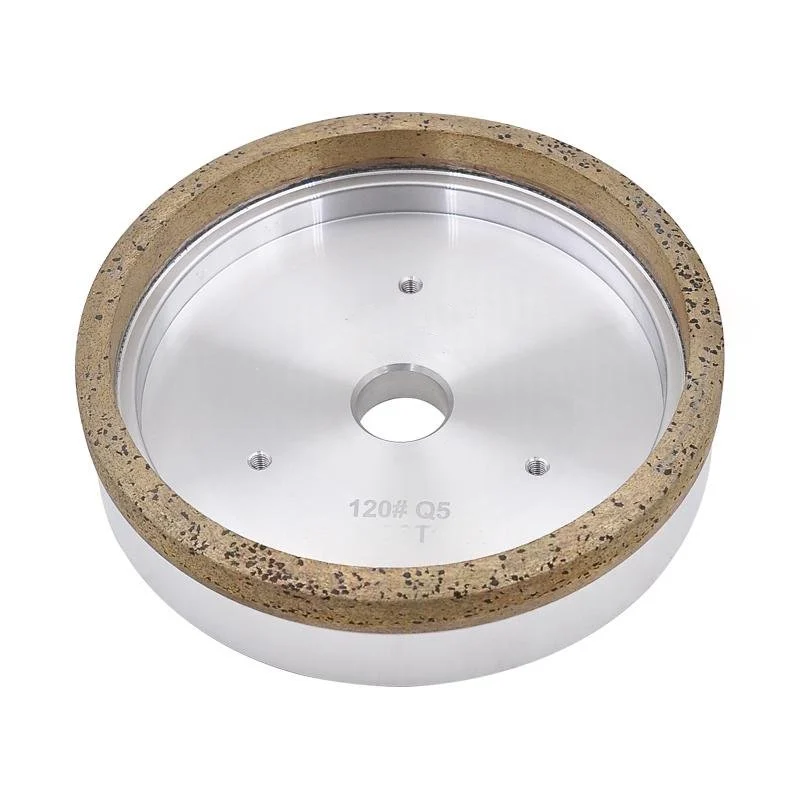
grinding segments · surface grinding · abrasive segments · segment size selection
Grinding Segments for Surface Grinding: Shapes, Codes and Size Selection
Learn how flat, convex and trapezoidal grinding segments support surface grinding, and how to select segment shape, code, dimensions, abrasive and grit for stable results.
Learn how flat, convex and trapezoidal grinding segments support surface grinding, and how to select segment shape, code, dimensions, abrasive and grit for stable results. Start by confirming the machine, wheel position and application before comparing a replacement wheel or requesting a quote.
Quick answer
Grinding segments are individual bonded abrasive blocks mounted in a suitable holder to form a grinding unit. They are mainly used for surface grinding, where the goal is to remove stock from a broad, usually flat workpiece while maintaining dimensional accuracy and a consistent surface finish.
The correct segment is selected as a system: first match the profile and dimensions to the segment holder, then match abrasive, grit, grade, bond, speed and coolant to the workpiece and the required result. A profile code alone is not enough to identify a replacement.
What is a grinding segment?
A grinding segment is a shaped body of abrasive grains held together by a bond. Several segments are clamped in a holder or chuck, creating the working face of a surface grinding unit. The abrasive performs the cutting, the bond retains the grains, and the segment geometry controls how the working face contacts the workpiece.
Segments are useful when a surface grinder needs a broad, stable contact area and a replaceable grinding body. Typical benefits include:
- High stock-removal capacity for flat surfaces
- Good control of workpiece dimensions when the setup is stable
- Consistent surface finishing across a wide grinding path
- Flexible replacement by profile, abrasive, grit and bond
Norton describes segments as abrasive bodies that are individually held in a suitable mechanism to form a grinding unit. Its surface-segment products also show that abrasive, grit, segment dimensions and machine compatibility are specified together, not as independent choices. Norton surface grinding segment example
Common grinding segment shapes and codes
The supplied reference chart lists the following conventional segment profiles. The codes below should be treated as the product-family reference; the supplier drawing remains the authority for a replacement order.
| Segment profile | Reference code | Geometry and selection meaning | Typical starting use |
|---|---|---|---|
| Flat segment | 3101-BXCXL | Straight working faces; the simplest profile to match to a flat holder | General surface grinding and broad, stable contact |
| Flat-convex segment | 3102-BXCXL | One flat and one convex feature; used where the holder or contact path needs a curved transition | Surface grinding setups with a shaped seat or contact requirement |
| Convex-flat segment | 3103-BXCXL | Convex and flat features arranged in the opposite orientation | Shaped holders and applications requiring a specific seating direction |
| Convex-concave segment | 3104-BXCXL | Curved convex and concave surfaces; requires careful profile and radius confirmation | Special surface grinding holders and controlled contact geometry |
| Trapezoidal segment | 3109-BXCXL | Tapered sides or end profile; the holder must match the taper | Segmented grinding units using a tapered seating arrangement |
The shape code does not define the full product. A complete specification also needs the abrasive type, grit, grade, structure, bond, dimensions and maximum operating speed. If the old segment is available, photograph its top, bottom, side profile and marking before requesting a replacement.
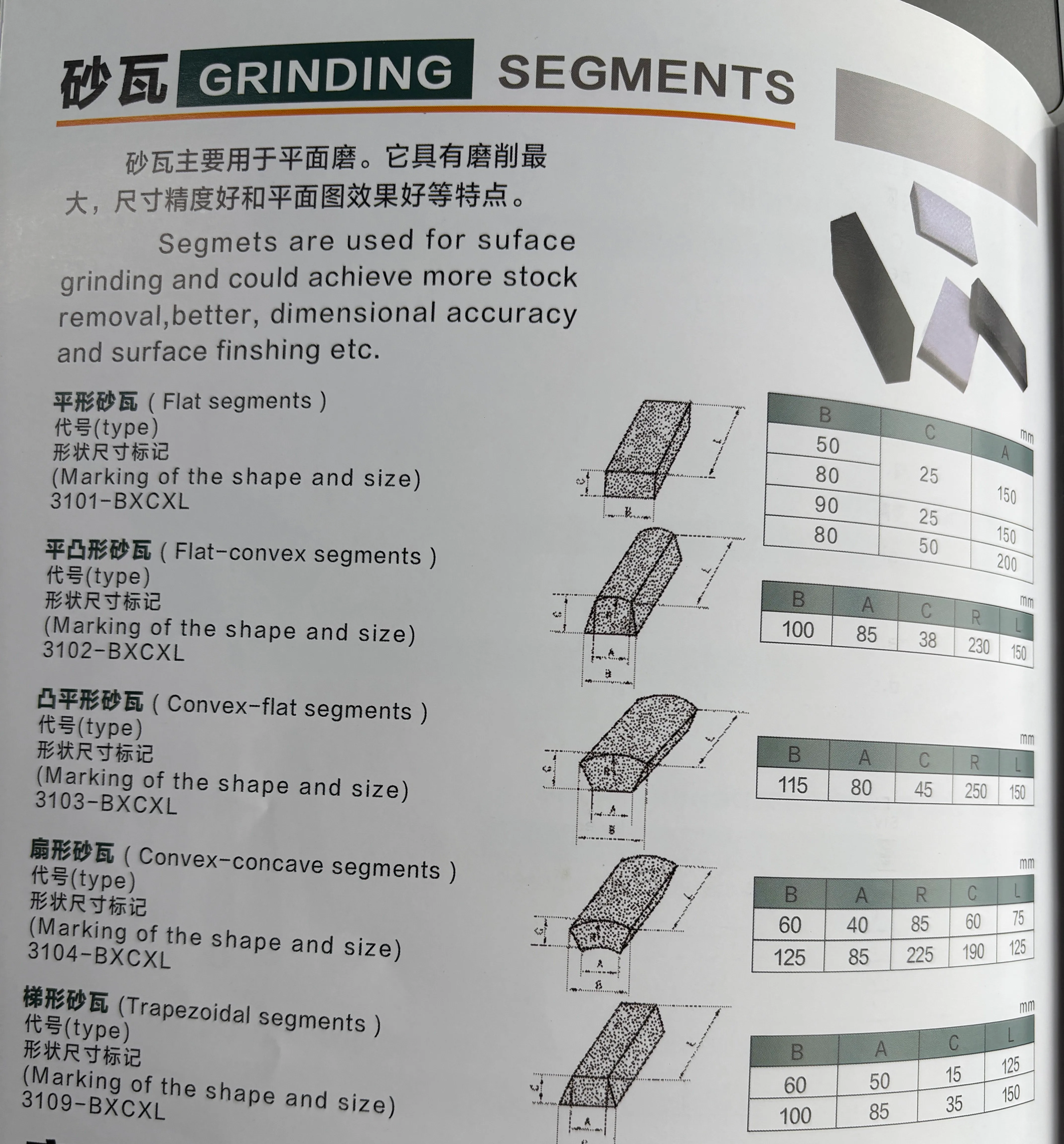
How to read grinding segment dimensions
The reference chart uses different dimension groups for different profiles. For example, flat segments are shown with B × C × A, while shaped segments may add R and L. These letters are drawing dimensions, not universal substitutes for a complete product drawing.
Examples visible in the supplied chart include:
| Profile | Reference dimensions shown in the chart |
|---|---|
| Flat, 3101 | B/C/A examples: 50/25/150, 80/25/150, 90/25/150 and 80/50/200 mm |
| Flat-convex, 3102 | B/A/C/R/L: 100/85/38/230/150 mm |
| Convex-flat, 3103 | B/A/C/R/L: 115/80/45/250/150 mm |
| Convex-concave, 3104 | B/A/R/C/L examples: 60/40/85/60/75 and 125/85/225/190/125 mm |
| Trapezoidal, 3109 | B/A/C/L examples: 60/50/15/125 and 100/85/35/150 mm |
Use these values as a catalog reference, not as an automatic replacement rule. Before production, verify the unit, tolerance, radius, chamfer, mounting clearance and working-layer position against the machine holder. A segment that appears close in length or width can still be unsafe or unstable if its seating profile is wrong.
Abrasive, grit and bond selection
After the profile and holder are confirmed, select the cutting system around the workpiece:
Abrasive grain
- Aluminum oxide is a practical starting family for many carbon steels, alloy steels and tool steels.
- Silicon carbide is commonly evaluated for cast iron, non-ferrous metals and hard brittle materials such as glass, stone and ceramics.
- Tougher or more friable grain variants change cutting action, self-sharpening behavior, heat and wheel life.
The abrasive is only one part of the specification. The same segment profile can behave very differently when grit, grade, bond, coolant or dressing conditions change.
Grit size
Coarse grit normally supports faster stock removal and larger contact areas. Fine grit normally supports a smoother finish, smaller contact areas and more controlled finishing. If the segment loads, burns or rubs instead of cutting, do not change grit in isolation; review grade, bond, dressing and coolant as well.
Bond and structure
Vitrified bonds are commonly considered when rigidity, porosity, coolant access and regular dressing are important. Resin bonds can offer a more compliant cutting action and may be considered when vibration or side forces are part of the process. The correct bond depends on the machine speed, pressure, dressing method, workpiece and required finish.
A practical selection workflow
- Identify the machine and holder. Record the surface grinder model, holder or chuck type, number of segment positions and mounting method.
- Match the profile. Compare the existing segment with 3101, 3102, 3103, 3104 or 3109 reference profiles; measure all critical faces and radii.
- Define the workpiece. State material, hardness, dimensions, allowance, clamping condition and whether the operation is roughing, semi-finishing or finishing.
- Select abrasive and grit. Start from material and required removal rate, then validate the surface finish and heat behavior.
- Confirm grade, structure and bond. These control grain retention, porosity, dressing response and cutting feel.
- Check safety-critical data. Confirm dimensions, tolerances, mounting contact, balance, coolant compatibility and maximum working speed before installation.
- Run a controlled trial. Measure stock removal, flatness, roughness, burning, loading, vibration and segment wear, then adjust one variable at a time.
Segments are brittle abrasive tools. Mounting pressure, holder cleanliness, complete seating, blotters where specified and the machine manufacturer’s speed limits must be followed. Improper mounting or uneven clamping can cause segment breakage; see Norton’s segment breakage guidance.
What to include in an inquiry or replacement request
Send the following information to receive a meaningful recommendation:
- Photos of the complete segment, profile, holder and marking
- Segment profile code, such as 3101 or 3104, if known
- B/C/A/R/L dimensions, including tolerances and radii
- Abrasive, grit, grade, structure and bond, if marked
- Machine model, spindle speed, holder type and number of segments
- Workpiece material, hardness, dimensions and stock allowance
- Coolant, dressing method, feed, table speed and contact width
- Current issue: low removal rate, loading, glazing, burning, vibration, poor flatness, poor finish or short life
The ZHUIFENG grinding-wheel range and contact page are available for OEM segment specifications and application review.
Key takeaways
Grinding segments are primarily surface-grinding tools made from bonded abrasive material. Choose the profile and dimensions to fit the holder first; then select abrasive, grit, grade, structure and bond for the material and process. The 3101, 3102, 3103, 3104 and 3109 codes in the reference chart help identify common profiles, but a safe replacement always requires the complete drawing and machine information.
Technical references
Frequently asked questions
What are grinding segments used for?
Grinding segments are bonded abrasive bodies mounted individually in a suitable holder to form a grinding unit. They are mainly used for surface grinding, where they remove stock from a broad, generally flat workpiece while supporting dimensional accuracy and surface finish.
How do I choose between flat and shaped grinding segments?
Start with the segment holder and the machine drawing. Flat segments are a common starting point for straightforward surface grinding, while flat-convex, convex-flat, convex-concave and trapezoidal profiles are selected when the holder geometry, contact area or grinding pressure requires a shaped segment.
What do codes 3101-BXCXL and 3104-BXCXL mean?
In the supplied reference chart, 3101 identifies a flat segment and 3104 identifies a convex-concave segment. B, C, A, R and L are drawing dimensions whose meaning depends on the profile; confirm the complete drawing and dimensions with the supplier before ordering.
Which abrasive and grit should I specify for a surface grinding segment?
Specify the workpiece material, hardness, removal rate and finish first. Alumina is commonly evaluated for many steels, while silicon carbide is commonly evaluated for cast iron, non-ferrous and hard brittle materials. Coarser grit favors stock removal; finer grit favors finishing, but the final grade, bond, speed and coolant must be validated in the actual process.