diamond cup wheel for glass · diamond grinding disc · glass grinding wheel · cup wheel price
Diamond Cup Wheel for Glass vs Concrete: What Buyers Should Check
Glass and concrete need different diamond cup wheel specifications. Compare abrasive behavior, bond, grit, machine fit and cooling before ordering.
Glass and concrete need different diamond cup wheel specifications. Compare abrasive behavior, bond, grit, machine fit and cooling before ordering. Start by confirming the machine, wheel position and application before comparing a replacement wheel or requesting a quote.
Quick answer
A diamond cup wheel for glass is specified around brittle-edge control, dimensional accuracy and the required edge result. A concrete cup wheel is generally specified around aggressive removal, concrete hardness, dust and jobsite durability. The two applications may use similar-looking cup shapes, but the working layer and bond should not be treated as interchangeable.
Why the application changes the wheel
Glass is hard and brittle. Excessive pressure, vibration, poor coolant flow or an unsuitable grit can create chips, scratches or an unstable edge. Concrete is also abrasive, but its grinding conditions, removal target and acceptable surface result are different. The correct wheel therefore starts with the workpiece and machine—not the word “diamond” on the label.
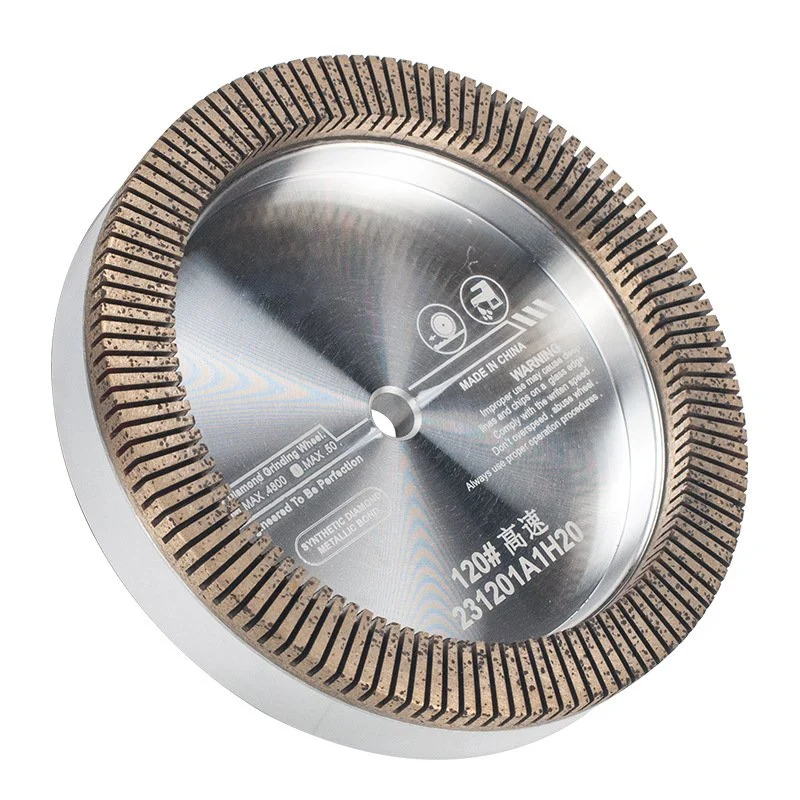
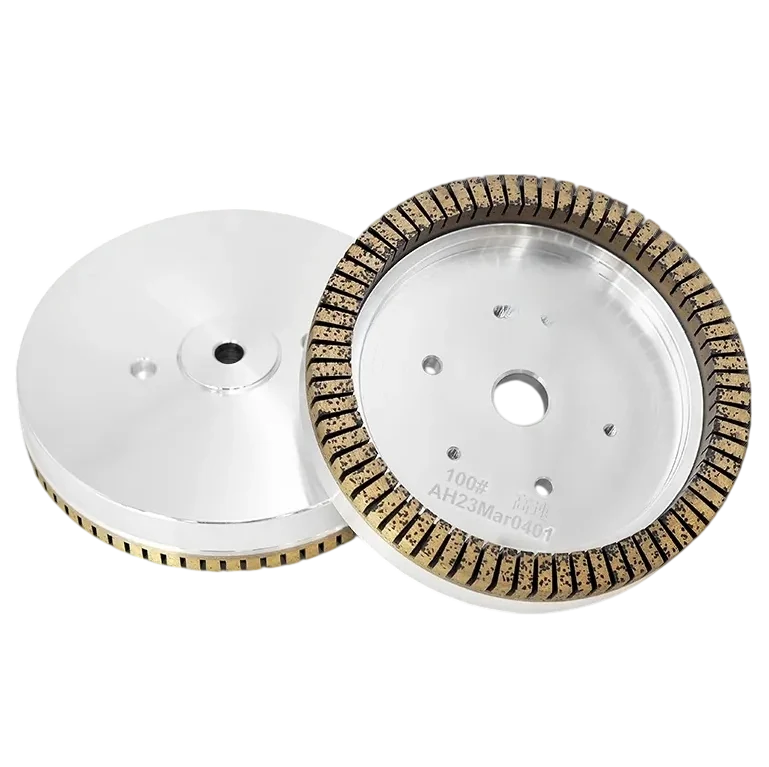
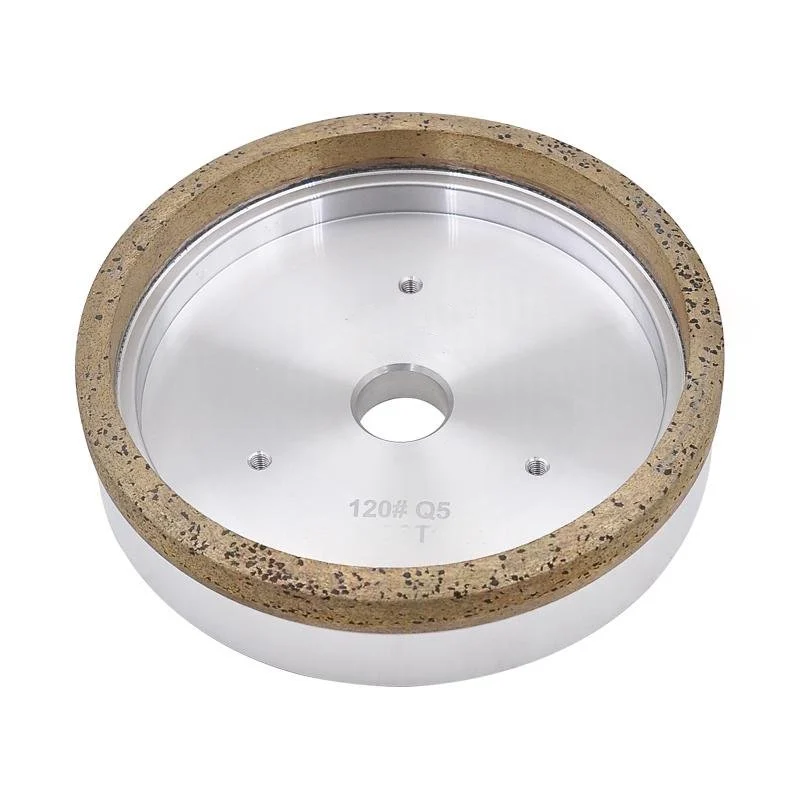
For glass edging, review the diamond cup wheel for glass page and the glass grinding wheel range. These pages organize the selection around edging positions, edge geometry and finishing requirements.
What buyers should compare
Working layer and bond
The diamond concentration, bond behavior and working-layer geometry affect cutting action, wheel life and edge stability. A specification intended for concrete removal may be too aggressive or otherwise unsuitable for a glass finishing process.
Grit and edge result
Coarser grit can support faster removal; finer grit can support a more controlled surface before resin or polishing. Select grit with the next process stage in mind rather than comparing grit numbers in isolation.
Dimensions and machine position
Confirm OD, bore, width, profile, mounting method, rotation and maximum speed. On a multi-station edger, the same size wheel may perform different work at different spindle positions.
Coolant and process stability
Glass grinding commonly depends on stable wet cooling, alignment and feed. Ask the supplier to review coolant flow, spindle runout, contact pressure and the defect that needs to be corrected.
A practical inquiry checklist
- Workpiece: glass type, thickness and edge profile
- Machine: brand, model and spindle position
- Wheel: OD, bore, width, working layer and current grit
- Process: feed speed, spindle speed, coolant and stock removal
- Result: edge quality, chipping limit, finish or polishing preparation
For a matched recommendation, send these details to ZHUIFENG or review the diamond wheel manufacturer page.
Related guides
Frequently asked questions
Can a concrete diamond cup wheel be used for glass?
It should not be assumed. Glass needs a wheel specification designed for its brittle edge and required finish, while concrete grinding prioritizes different removal and durability conditions.
What should I confirm before buying a diamond cup wheel for glass?
Confirm the machine, spindle position, outside diameter, bore, working layer, grit, bond, glass thickness, edge profile and coolant conditions. A drawing or current wheel photo helps confirm compatibility.