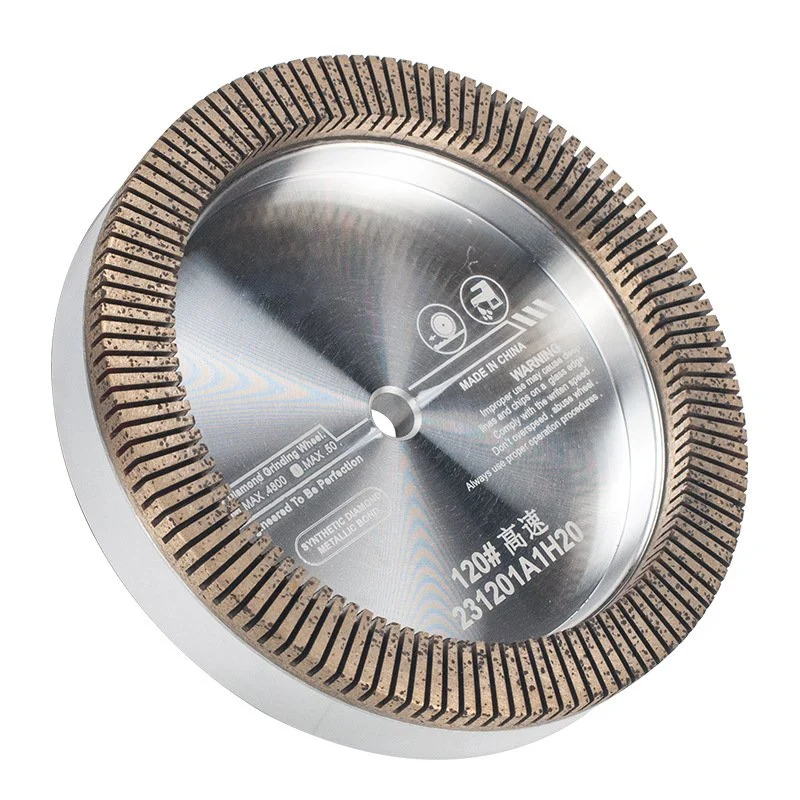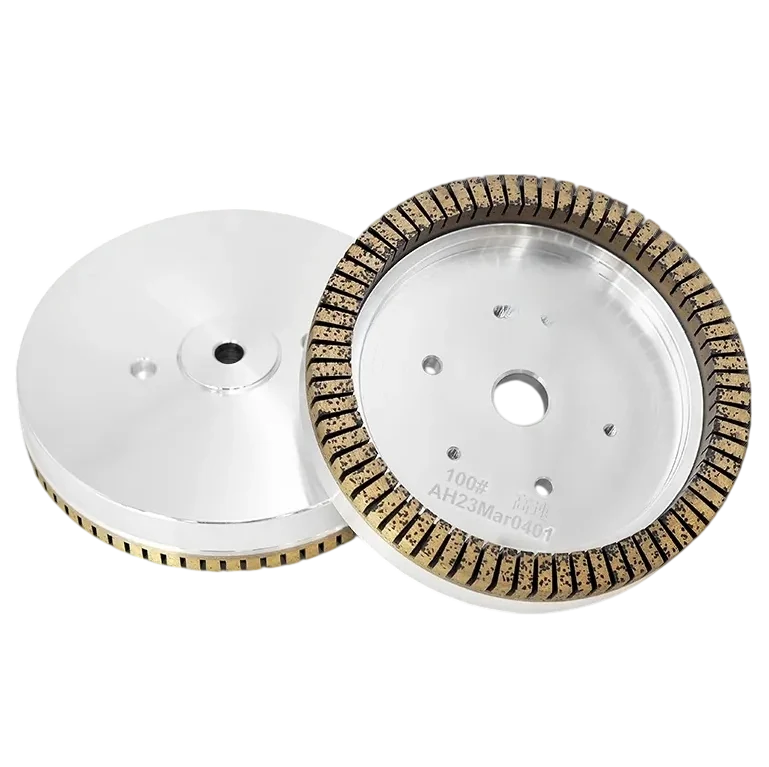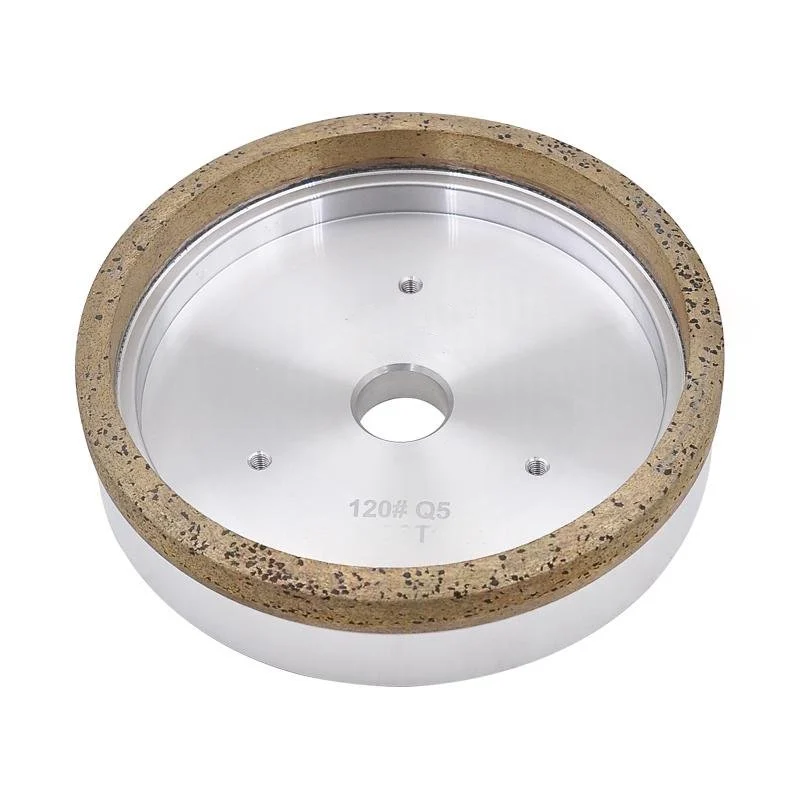
bonded abrasives · grinding wheel types · grinding wheel marking · abrasive grain codes · grit selection
Bonded Abrasives: Grinding Wheel Marking, Grain Codes and Grit Selection
Learn how vitrified and resin-bonded grinding wheels are marked, how A, WA, PA, ZA, SA, MA, GC and C identify abrasive grains, and how to select F grit.
Learn how vitrified and resin-bonded grinding wheels are marked, how A, WA, PA, ZA, SA, MA, GC and C identify abrasive grains, and how to select F grit. Start by confirming the machine, wheel position and application before comparing a replacement wheel or requesting a quote.
Quick answer
Bonded abrasives are grinding tools made by holding abrasive grains in a bond. The most common conventional options in this guide are vitrified ceramic-bonded wheels and resin-bonded wheels. They are available in many shapes and sizes for surface grinding, external cylindrical grinding, internal grinding and centerless grinding.
To specify a wheel, read the marking in sequence and confirm the complete application. A practical example is:
1-350 × 40 × 127 - A F60 K 5 V - 35 m/s
This describes a wheel with shape 1, 350 mm outside diameter, 40 mm thickness, 127 mm bore, A abrasive, F60 grit, K grade, 5 structure and V vitrified bond, with a 35 m/s maximum working speed. The exact notation can vary, so the manufacturer’s drawing or specification always takes priority.
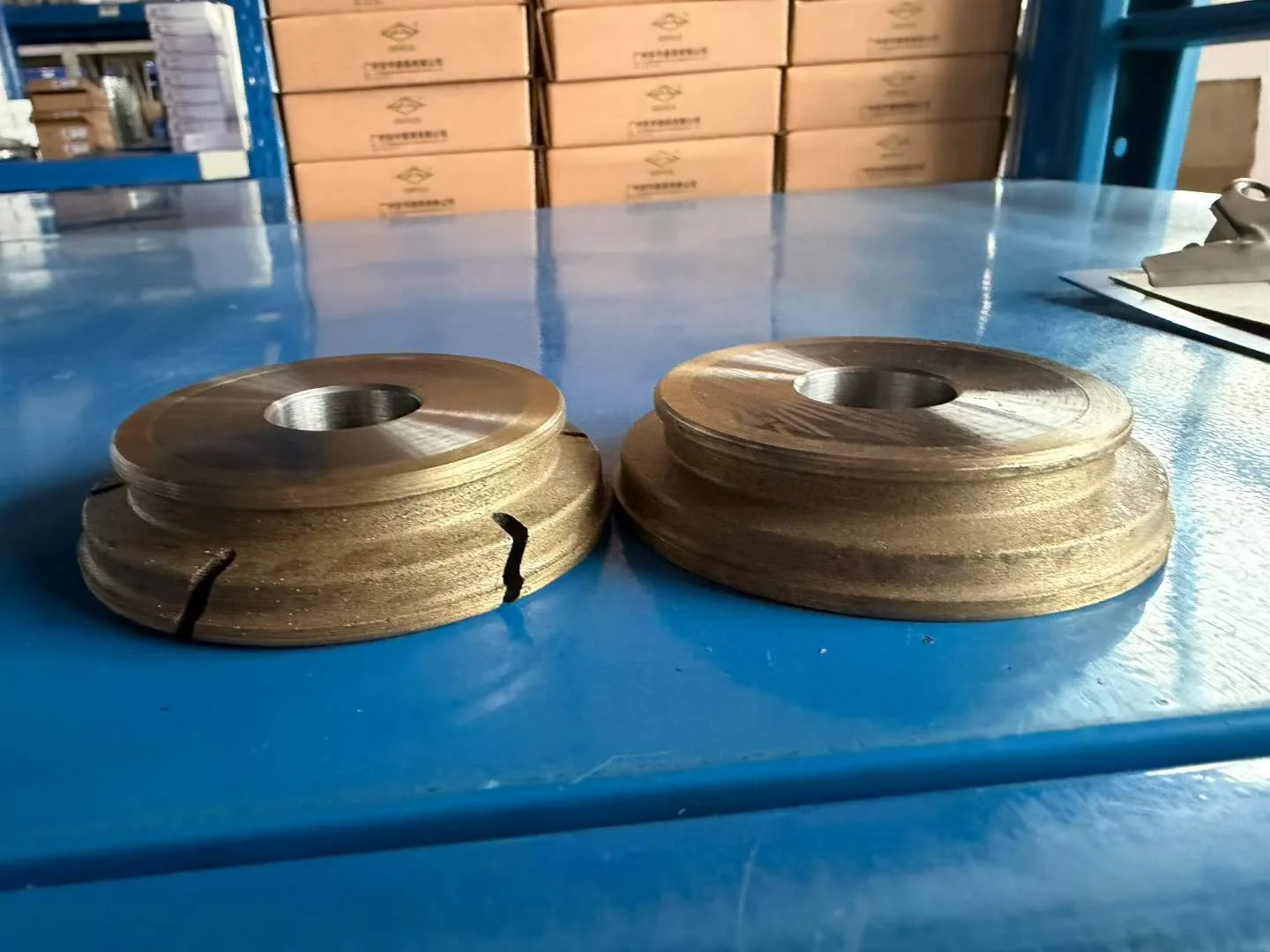
What are ordinary bonded abrasives?
In this product category, “ordinary” or “conventional” abrasives means grinding tools that use common abrasive grains rather than superabrasives such as diamond or cBN. The grain cuts the workpiece, the bond holds the grains, and the wheel structure provides the spacing and porosity needed for chip clearance and coolant access.
ZHUIFENG ordinary grinding wheels can be produced in different shapes and specifications for the customer’s machine and workpiece. Typical process applications include:
- Surface grinding
- External cylindrical grinding
- Internal cylindrical grinding
- Centerless grinding
- Tool and cutter grinding
- Thread grinding and finer finishing
The wheel must be selected as a system. Abrasive type, grit, grade, structure, bond, dimensions, speed and coolant all influence cutting action, wheel life, heat and surface finish.
Vitrified bond and resin bond
Vitrified ceramic bond — V
Vitrified bonds are inorganic, glass-like bonds. They are generally rigid and porous, which supports coolant flow, chip clearance, dressing and free-cutting behavior. In the example marking, V identifies the vitrified bond.
Vitrified wheels are often considered when the process needs:
- Accurate form and dimensional control
- Regular dressing or profile maintenance
- Porosity for cooling and chip clearance
- Stable surface or cylindrical grinding
Resin bond — B or organic bond
Resin bonds are organic bonds with some compliance. They can absorb part of the grinding force and are often considered for vibration, side forces, rough grinding or applications that need a different balance of cutting speed and wheel life. Bond symbols vary; B is a common convention, but the supplier’s code should be confirmed.
The bond cannot be selected independently of the abrasive. Coolant, grinding pressure, wheel speed, workpiece strength and the required finish can change how a wheel behaves.
How to read a bonded grinding-wheel marking
The marking supplied in the reference material follows this order:
| Position | Specification item | Example | What it tells you |
|---|---|---|---|
| 1 | Shape code | 1 | The wheel profile or standard shape |
| 2 | Outside diameter | 350 | Wheel diameter, normally in millimetres |
| 3 | Thickness | 40 | Wheel width or thickness, normally in millimetres |
| 4 | Bore | 127 | Mounting hole diameter, normally in millimetres |
| 5 | Abrasive | A | Abrasive grain family |
| 6 | Grit | F60 | Grain size designation |
| 7 | Grade or hardness | K | Relative bond holding strength, not grain hardness |
| 8 | Structure | 5 | Relative grain spacing or porosity |
| 9 | Bond | V | Vitrified bond in this example |
| 10 | Maximum speed | 35 m/s | Maximum working speed shown on the wheel specification |
The most important distinction is between abrasive grain and wheel grade. The abrasive code identifies the cutting mineral; the grade indicates how strongly the bond holds the grain. A grade letter is not a direct measurement of abrasive hardness.
Abrasive grain codes and typical uses
| Abrasive grain | Code | Main behavior | Typical applications |
|---|---|---|---|
| Brown alumina | A | Tough, durable and adaptable | General grinding of carbon steel, alloy steel and other ferrous metals |
| White alumina | WA | More friable and readily self-sharpening than standard brown alumina | Hardened steel, stainless steel and applications where heat control matters |
| Pink alumina | PA | Alumina grain modified for sharp cutting and finishing balance | Tool grinding, precision grinding and selected hardened-steel applications |
| Zirconia alumina | ZA | Tough and wear-resistant for demanding removal | Stainless steel, heat-resistant steel and heavy grinding |
| Single-crystalline alumina | SA | Strong single-crystal grain structure | Tough or hard alloy steel, tool steel and high-speed steel |
| Microcrystalline alumina | MA | Fine microcrystalline structure with controlled breakdown | Precision grinding and applications requiring a consistent cutting edge |
| Green silicon carbide | GC | Sharp, hard and high-purity silicon carbide | Cemented carbide, glass, stone, ceramics and other brittle hard materials |
| Black silicon carbide | C | Sharp, friable and thermally conductive | Cast iron, brass, rubber, plastics, wood, stone and concrete |
The codes above follow the supplied reference chart and common industry conventions. Abrasive designations are not identical across every manufacturer, so verify the technical data before using a code as a direct substitute.
F grit selection: from rough grinding to polishing
The supplied chart uses the F grit notation. In general, a lower F number represents a coarser grain and a higher F number represents a finer grain. Coarse grit removes material quickly but leaves a more pronounced scratch pattern; fine grit supports finishing and smoother surfaces when the process is stable.
| F grit range | Typical use in the reference chart | Selection focus |
|---|---|---|
| F16–F30 | Rough grinding and cutting steel, marble and similar materials | Fast stock removal and large contact areas |
| F36–F54 | Grinding hard-alloy blades, copper and other non-ferrous metals; surface, cylindrical and centerless grinding | Balanced removal and surface preparation |
| F60–F80 | Fine grinding of accessories and cutters | Improved finish and edge control |
| F100–F600 | Cutter polishing and thread grinding | Fine finishing, profile and dimensional control |
| F800–F1200 | Mirror-surface grinding and finer polishing | Smooth finish and low scratch visibility |
This range is a practical reference, not a universal conversion table. Grit standards, workpiece material, wheel bond and machine conditions must be considered together.
How to choose a wheel for the operation
Start with the workpiece and the result you need:
- Identify the material. Use alumina as a starting family for many ferrous metals; compare silicon carbide for cast iron, non-ferrous, glass, stone, ceramics and other suitable materials.
- Define the operation. Rough grinding, surface grinding, cylindrical grinding, centerless grinding, tool grinding and polishing need different balances of removal rate, form holding and finish.
- Choose grit. Coarser grit supports rapid removal; finer grit supports finishing and small contact areas.
- Choose grade and structure. A softer grade can release dull grains on hard workpieces, while a harder grade can support form holding and longer life in suitable conditions. Structure controls grain spacing and porosity.
- Choose the bond. Match vitrified or resin bond to speed, dressing, vibration, pressure, coolant and the required edge or surface quality.
- Check dimensions and speed. Confirm shape, diameter, thickness, bore, working layer and maximum speed before mounting the wheel.
What to send when requesting a custom wheel
For an accurate quotation or replacement recommendation, send:
- A photo of the wheel face, side profile and marking
- Shape, outside diameter, thickness and bore
- Abrasive, grit, grade, structure and bond, if known
- Workpiece material, hardness and dimensions
- Grinding method and machine model
- Spindle speed, feed rate, coolant and dressing method
- Current problem, such as loading, glazing, burning, vibration, chipping, poor finish or short wheel life
The ZHUIFENG grinding-wheel product range and contact page are available for application review and OEM specification support.
Key takeaways
Bonded abrasives are multi-point cutting tools built from abrasive grain, bond and wheel structure. Use the marking order to communicate the wheel clearly, but do not treat the abrasive code as a complete specification. The correct wheel matches the grain and grit to the workpiece, then validates grade, structure, bond, dimensions, speed, coolant and dressing against the actual operation.
Technical references
Frequently asked questions
What are bonded abrasives?
Bonded abrasives are abrasive grains held together by a bonding material to form a tool such as a grinding wheel. Common conventional bonded wheels use vitrified ceramic bonds or organic resin bonds.
How do I read a grinding wheel marking?
Read the marking from left to right: shape, outside diameter, thickness, bore, abrasive, grit, grade or hardness, structure, bond and maximum working speed. The exact order and symbols can vary by manufacturer, so confirm the supplier specification.
What is the difference between coarse and fine grinding-wheel grit?
Coarse grit is generally used for rapid stock removal, rough grinding and large contact areas. Fine grit is generally used for finishing, small contact areas, sharper corner control and smoother surfaces.
Which bond should I choose, vitrified or resin?
Vitrified bonds are rigid, porous and readily dressable, while resin bonds are more compliant and can tolerate vibration and side forces. The correct bond depends on the workpiece, process, speed, coolant and required finish.